Booking choice: The Baixa food walk with petiscos and drinks, ★ 4.9 (2,193). Check dates Compare the options below
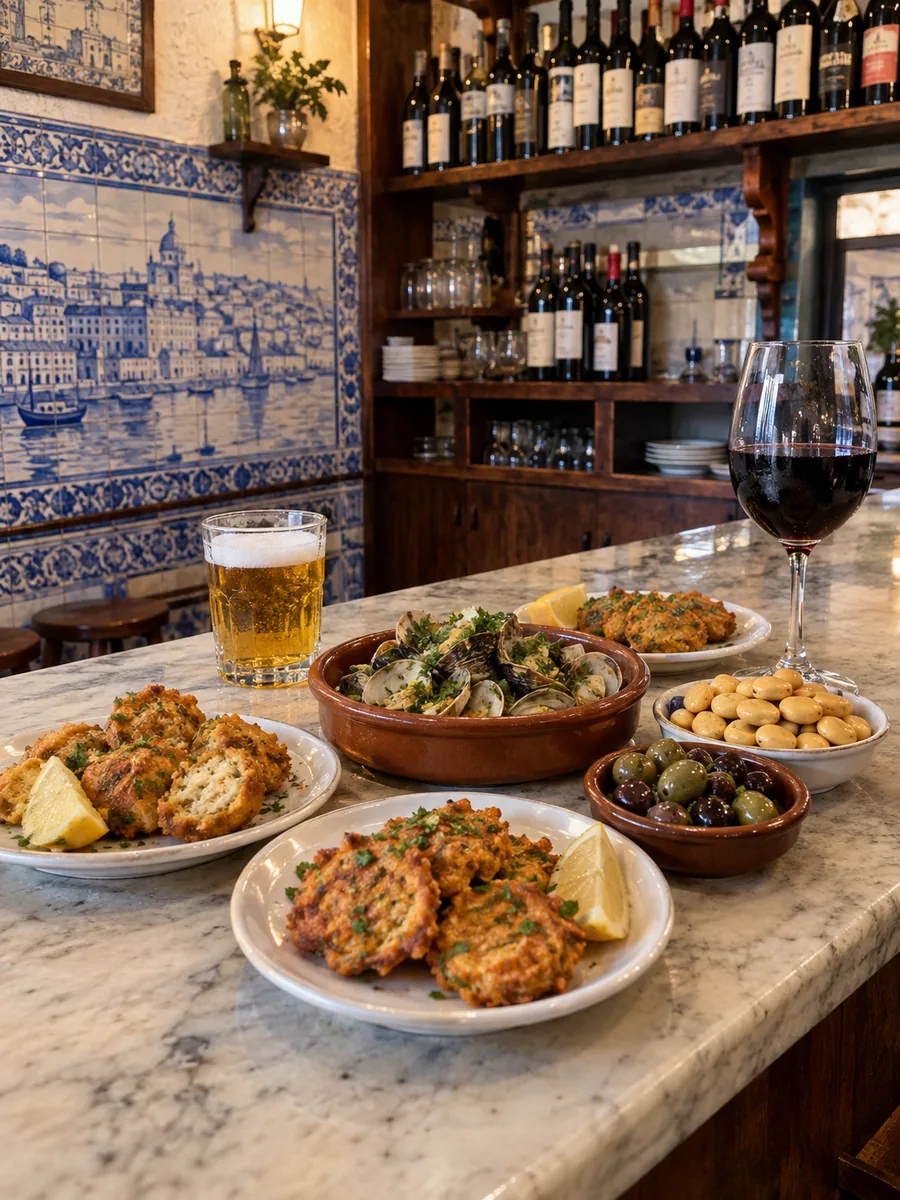
Ask for tapas in a Lisbon tavern and the waiter will understand you, then bring you petiscos. The idea is close to the Spanish one: small dishes, shared at the table, with a glass of wine or a small beer. The food, the names and the habits are Portuguese.
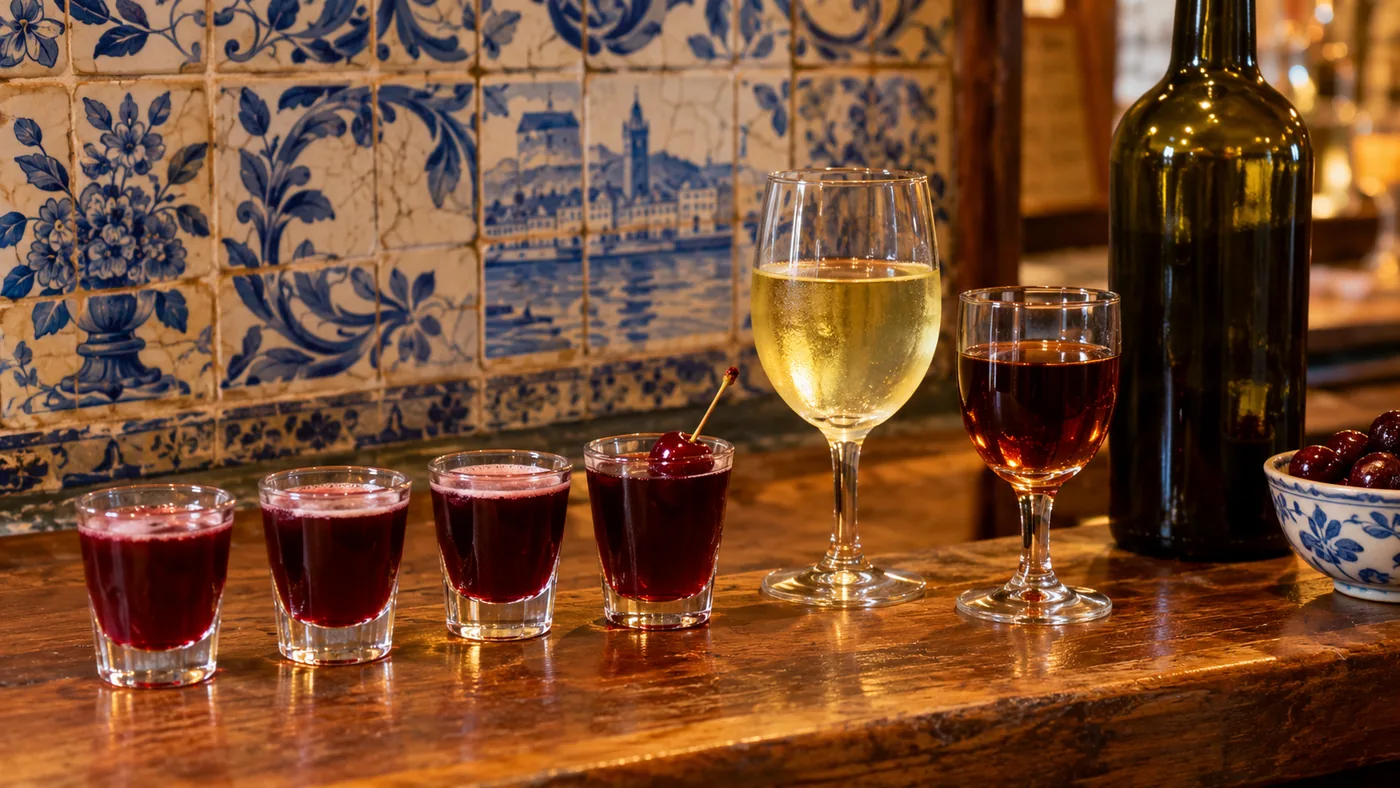
This guide explains what a petisco is, which ones to try, how the couvert works and how to order at a tasca. Where to find them at the right hour is in where and when to eat in Lisbon, and the drinks that go with them are in the ginjinha and Lisbon drinks guide.
The quick answer
The word: petiscos, small plates for sharing; 'petiscar' means to nibble or graze. Tapas: the Spanish word, used in tour listings because visitors search for it. Classics: pastéis de bacalhau, pataniscas de bacalhau, peixinhos da horta, chouriço assado, pica-pau, amêijoas à Bulhão Pato, salada de polvo, queijo, presunto and tremoços. The bifana: garlicky pork in a crusty roll, eaten at the counter. Couvert: bread, olives and butter brought before you order, charged only if you eat it; you can send it back. Seasons: caracóis from about May to August, sardinhas assadas in June. Meal times: lunch from about 13:00, dinner from about 20:00. Food walks: about 8 tastings and 3 to 4 drinks in about 3 hours on most walks. Cancellation: full refund if you cancel up to 24 hours ahead on every tour listed here.
Do people in Lisbon eat tapas?
Not by that name. In Lisbon you eat petiscos: small plates for sharing that come from the tasca tradition. The menus, the waiters and your neighbours at the counter all call them petiscos.
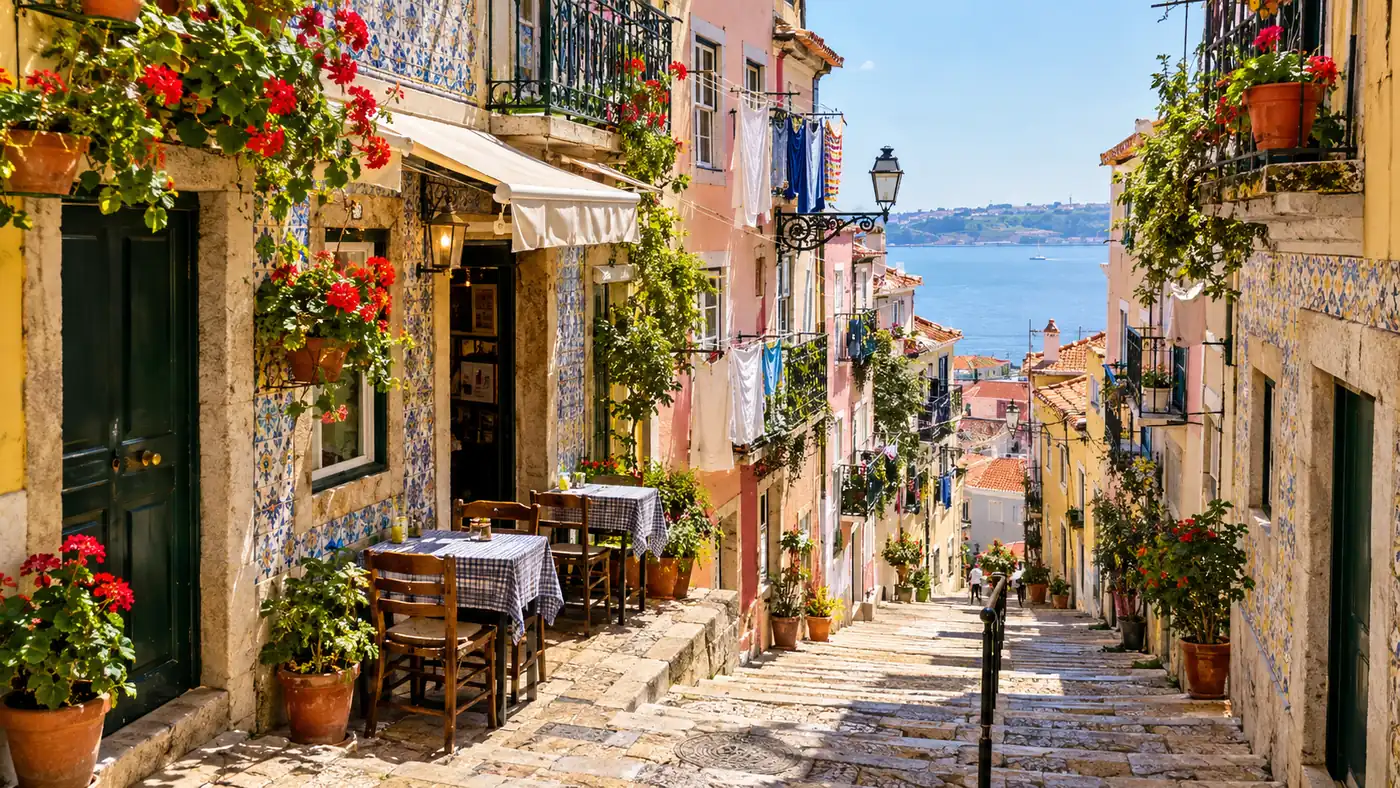
A tasca is a simple neighbourhood tavern, often family-run, with a short menu on a board and a few tables. Petiscos are what people order there between meals, or as a meal when they share several plates. Portions are rustic, and bread comes with them so that nothing is left in the dish.
You will still see 'tapas' on English menus in the centre and in the titles of most food tours. That is for visitors, who search for the word they know. Use either word and you will be understood, but 'petiscos' is the one people in Lisbon use.
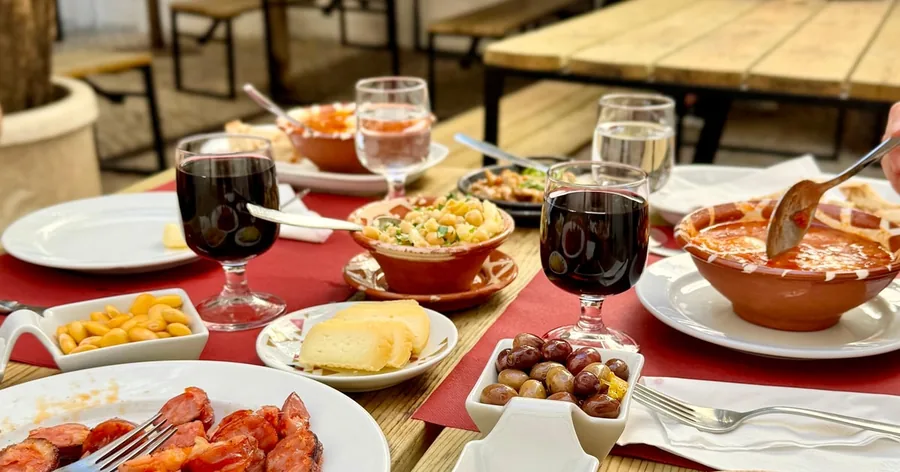
What is the difference between petiscos and tapas?
The idea is the same, small shared plates with a drink, but the food and the words differ. Tapas is the Spanish word and the Spanish repertoire; petiscos are Portuguese dishes, often rustic and built around salt cod, pork, seafood and bread.
In Lisbon you usually choose petiscos from the menu and share them across the table, and a few plates easily make a meal. The flavours lean on garlic, olive oil, coriander, white wine and paprika, and many dishes come with a sauce meant for bread. The verb says it all: 'petiscar' means to nibble or graze.
One product here is closer to the Spanish style. The seated wine and petiscos tasting pairs five Portuguese wines with cheeses and Iberian cured sausages and ham, more like Spanish charcuterie than a tasca table. For the Portuguese version on foot, the Baixa food walk with petiscos and drinks visits taverns, family-run restaurants and street-food counters, and the evening petiscos walk in Bairro Alto begins by explaining how petiscos differ from tapas.
Eight tastings and four drinks across flat Baixa, from tavern petiscos to a bifana and dessert, with tables booked ahead.
Check dates for the Baixa food walk with petiscos and drinksWhat is a petisco, and which ones should you know?
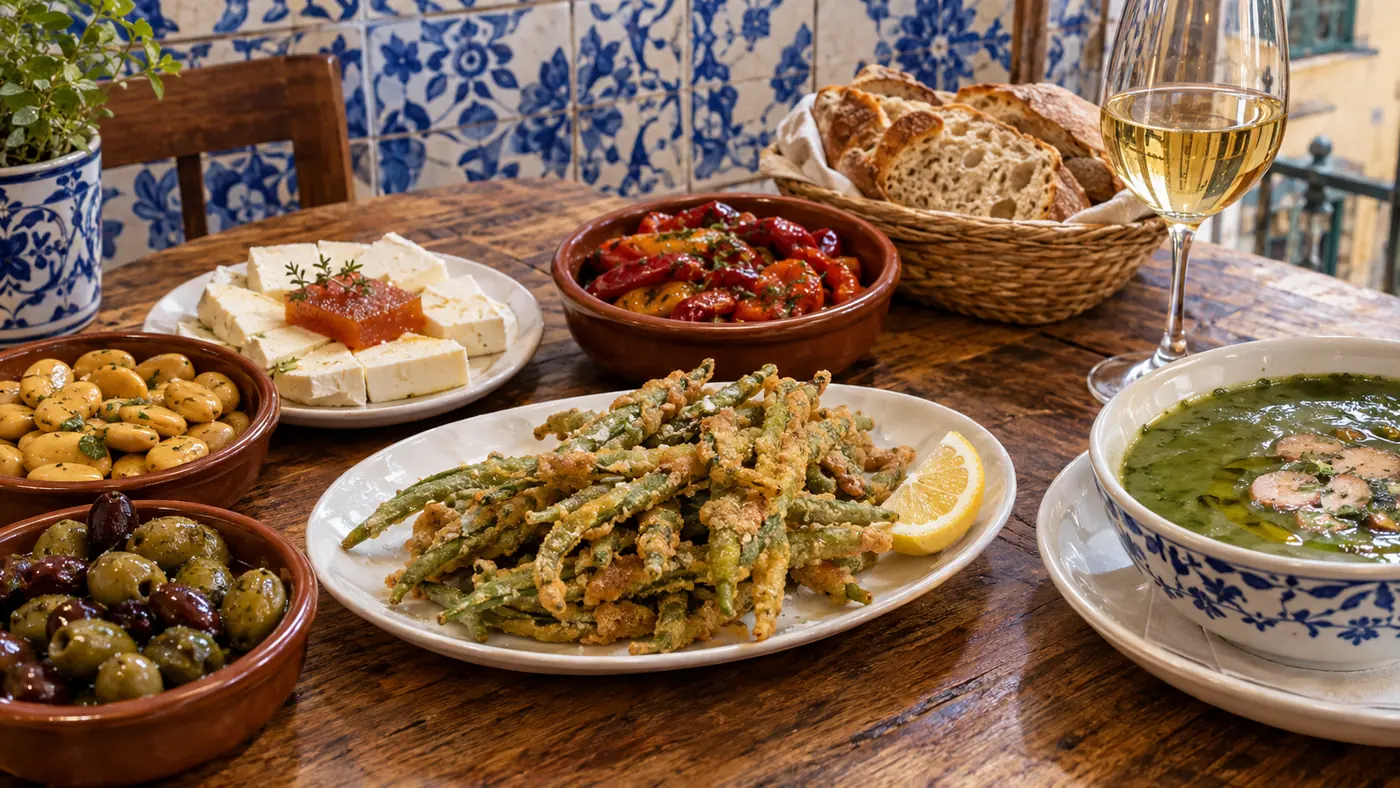
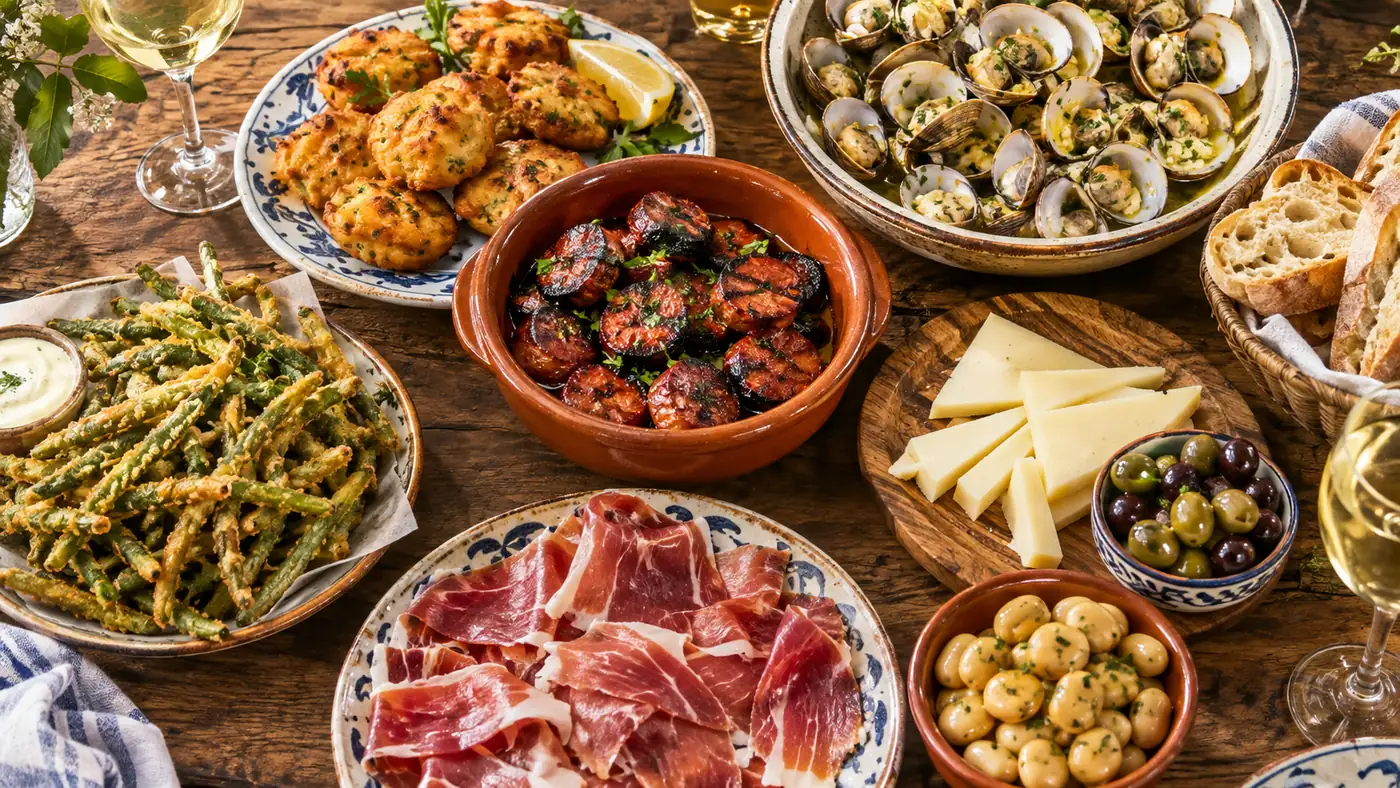
A petisco is a small dish or snack made for sharing, roughly 'a nibble' or 'a treat'. About a dozen classics turn up on almost every tasca menu in Lisbon.
The table lists the ones you are most likely to meet, with what they are and when people eat them. The names are written the way you will see them on a menu board.
| Petisco | What it is | When to try it |
|---|---|---|
| Pastéis de bacalhau | Codfish cakes, crisp outside and soft inside | Any time, at a café counter or on most food walks |
| Pataniscas de bacalhau | Flat salt-cod fritters | Lunch at a tasca |
| Peixinhos da horta | Battered green beans, 'little fish from the garden' | All year; a good pick if you eat no meat |
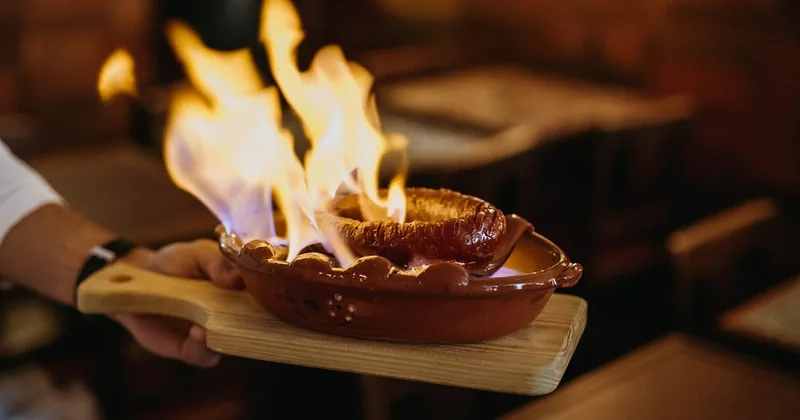
| Chouriço assado | Chouriço flamed at the table in a clay dish | Evenings, with bread and red wine |
| Pica-pau | Bite-size beef or pork in a garlic, wine and pickle sauce | Evenings, with bread for the sauce |
| Amêijoas à Bulhão Pato | Clams in olive oil, garlic and coriander | With white wine or vinho verde |
| Salada de polvo | Octopus salad, served cold | Warm days, as a starter |
| Caracóis | Small snails in a garlicky broth | From about May to August |
| Sardinhas assadas | Grilled sardines | June, during Santo António |
| Prego | A steak sandwich | A quick lunch or a late snack |
| Queijo and presunto | Cheese and cured ham | Any time, with a glass of wine |
| Tremoços | Brined lupin beans | At the counter with an imperial |
| Bifana | Marinated pork in a crusty roll | Any time, standing at the counter |
What should I eat in Lisbon?
Start with codfish cakes, a bifana, clams in garlic and coriander, grilled chouriço and a pastel de nata, then add whatever the tasca has on its board that day. A glass of vinho verde or a small beer goes with most of it.
- Pastéis de bacalhau: codfish cakes, the snack you will see in almost every café window.
- Amêijoas à Bulhão Pato: clams in olive oil, garlic and coriander, named after a 19th-century poet; keep some bread for the juices.
- Chouriço assado: chouriço flamed at the table in a clay dish.
- Bifana: garlicky pork in a crusty roll, eaten standing up.
- Peixinhos da horta: battered green beans, a good choice if you eat no meat.
- Pastel de nata: the custard tart, best warm, with cinnamon if you like.
Most food walks cover several of these in one go. The food walk with a local guide lists bites such as croquettes, a bifana, caldo verde or sardines, and a pastel de nata. Vegetarian choices are in the vegetarian and vegan food walk guide.
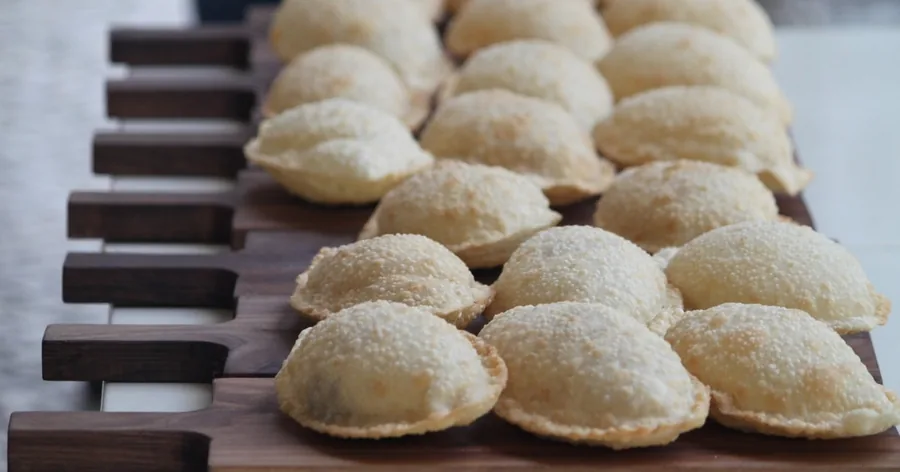
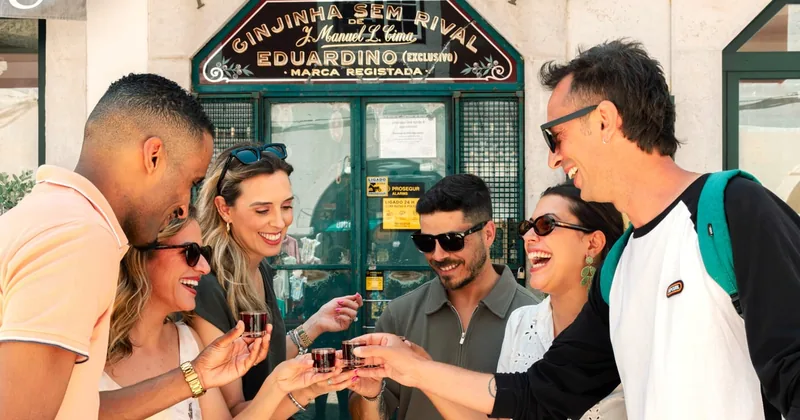
Not a snack crawl but a full meal on foot: codfish cakes, Iberian ham and grilled chouriço, two mains, dessert and four drinks, with a Lisbon-born guide and up to 10 guests. Rated 4.9 from 224 reviews.
Explore the small-group walk with a full mealWhat is a bifana?
A bifana is Lisbon's stand-up sandwich: thin pork marinated in garlic and white wine, cooked in its juices and served in a crusty roll called a papo-seco, with mustard or piri-piri to taste.
You eat it at the counter, often with an imperial, a small draught beer. The roll soaks up the juices, so take a napkin. A bifana counter in the Baixa is a stop on several food walks, and O Trevo on Largo de Camões in Chiado is another well-known address. Do not confuse it with a prego, which is a steak sandwich.
Both the morning food walk and the Baixa walk include a bifana. On the morning walk it comes after ginjinha at a family-run counter and before a home-style tasca lunch.
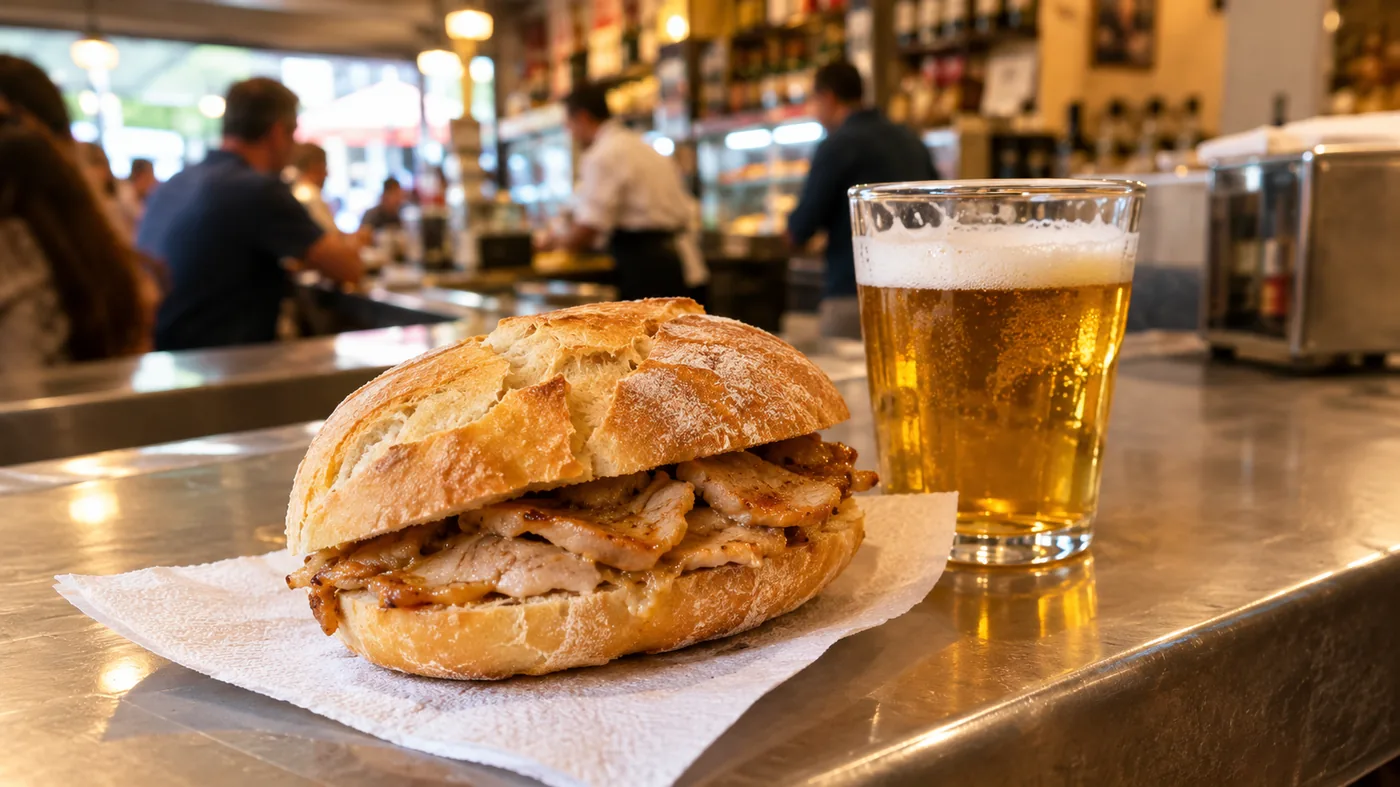
Breakfast and lunch on one morning walk: pastries and coffee, a grocery, ginjinha, a bifana bar and a tasca lunch.
Check dates for the Tastes and Traditions morning walkWhat is the couvert in Lisbon, and do you have to pay for it?
The couvert is the bread, olives, butter or small starters brought to your table before you order. It is charged only if you eat it, so you can simply send it back.
Portuguese law says a restaurant cannot charge for food you did not order and leave untouched. In practice, if you eat the couvert it goes on the bill, so decide as you sit down. A friendly 'não, obrigado' (or 'obrigada' if you are a woman) and a nod towards the plate is enough. Nobody will mind.
On a food walk you do not need to think about it: tables are booked ahead and the guide orders what the tour includes. Tipping is relaxed too: it is not compulsory in Portugal, and a tip is a thank-you for good service.
How do you order at a tasca?
Sit down, look at the board, order a few petiscos to share and a drink, and ask for more if you are still hungry. Service is relaxed, and nobody hurries you.
- Timing: lunch from about 13:00, dinner from about 20:00. Many tascas open only for lunch, and many in residential areas close on Sunday.
- The board: the dishes of the day are often chalked up by the door or on a wall. Ask what is good today.
- Sharing: order two or three plates for two people, then add more.
- Drinks: house wine, vinho verde, an imperial or a soft drink. The legal age for any alcohol is 18.
- Words: 'saúde' means cheers, 'a conta, por favor' asks for the bill, and 'obrigado' or 'obrigada' says thank you.
If you would rather someone else does the ordering, an evening with a guide or a fado night is a gentle way in. The petiscos and wine evening with live fado is seated, not a walk: long tables of bean soup, peixinhos da horta, pataniscas and chouriço assado in a fado house by Alfama, with silence during the songs.
Príncipe Real, a viewpoint at dusk and Bairro Alto's old lanes: 4 stops, 7+ tastes and 5 drinks with a guide who explains petiscos.
Check dates for the evening walk in Bairro AltoWhich Lisbon dishes depend on the season?
Caracóis, small snails, appear from about May to August, and grilled sardines fill the city in June. Most other petiscos are on the menu all year.
When a tasca puts up a sign saying 'Há caracóis', snail season has started. Folk wisdom says to eat them in the months without an 'r', May to August. They come in a garlicky broth with bread, and a small beer is the usual partner. In June, for the Santo António festivities, sardinhas assadas are grilled on street corners in Alfama, Mouraria and Graça, and the smell carries across the old town.
A food walk is the easiest way to taste the year-round classics in one evening; the stops change with the season and the day. Lisbon food tours compared shows how many tastings each walk includes, and Baixa or Alfama explains where each one goes.
Frequently asked questions
Is it wrong to say tapas in Lisbon?
No. People will understand you, but the Portuguese word is petiscos, small plates for sharing.
Are codfish cakes a petisco?
Yes. Pastéis de bacalhau are one of the most common petiscos in Lisbon and appear on most food walks.
Can I refuse the couvert?
Yes. Bread, olives and butter brought before you order are charged only if you eat them, so you can send them back.
When are snails in season in Lisbon?
From about May to August. Look for signs saying 'Há caracóis' outside tascas.
Ready to book
Choose your walk
Check your date and the live price on GetYourGuide; the refund terms are shown on each option.
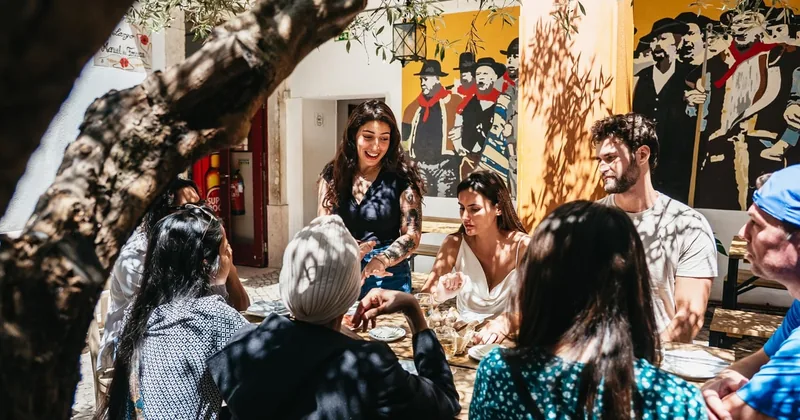
Baixa Food Walk with Petiscos and Drinks
- A foodie guide who knows each stop
- 8 tastings: petiscos, seafood, a bifana and dessert
- 4 drinks: vinho verde, local beer and ginjinha
Small-Group Food and Wine Walk with a Meal
- A Lisbon-born guide, up to 10 guests
- 4 starters, 2 main dishes and a dessert
- 4 drinks, with local wine and a liqueur
Evening Petiscos Walk in Bairro Alto
Príncipe Real, a miradouro at dusk and Bairro Alto's lanes: 4 stops, 7+ tastes and 5 drinks; only 41 reviews so far