Eat your way through Lisbon on foot: which food walks serve a real meal, which stay on flat
streets, and how to order petiscos, ginjinha and the city's custard tarts like you live here.
Historic lifts closed. The Glória, Bica and Lavra funiculars and the Santa Justa Lift have been closed since September 2025, so food walks into Chiado and Bairro Alto go up on foot. Carris updatesChecked 1 October 2026
Stops checkedTastings, drinks and route, walk by walk
Real guest ratingsLive GetYourGuide figures, shown as they are
Refund terms per walkEvery option here refunds in full up to 24 hours ahead
Secure checkoutBook on GetYourGuide, instant mobile tickets
Food walks
Choose your Lisbon food walk
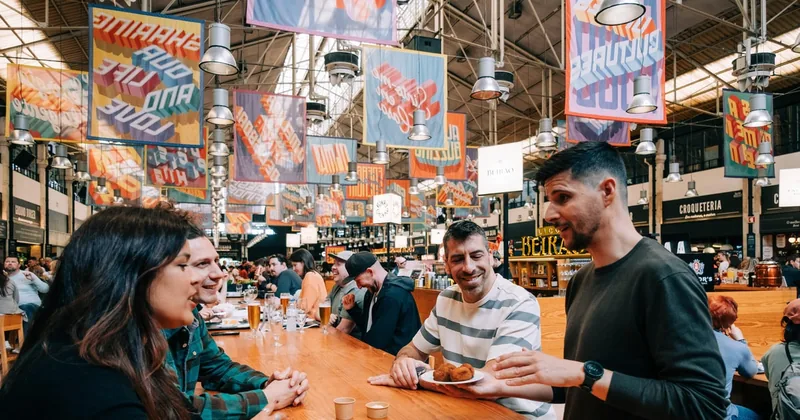
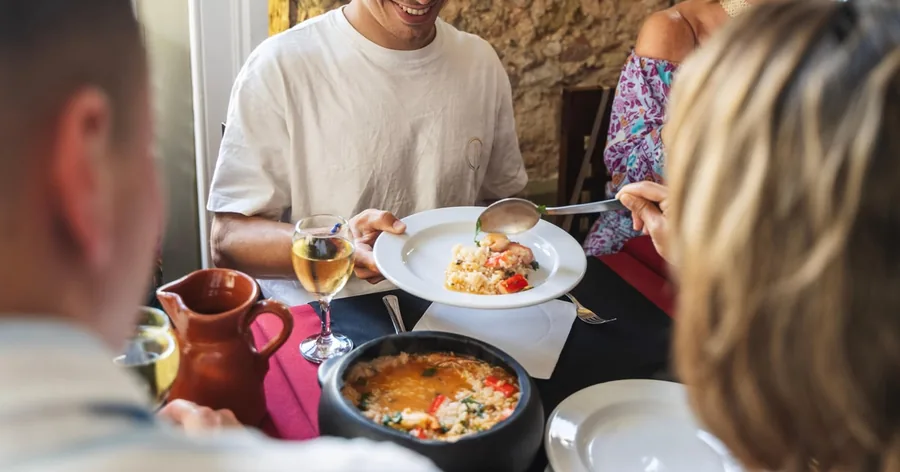
In the centre, the most booked petiscos walk: eight tastings and four drinks on the flat streets of
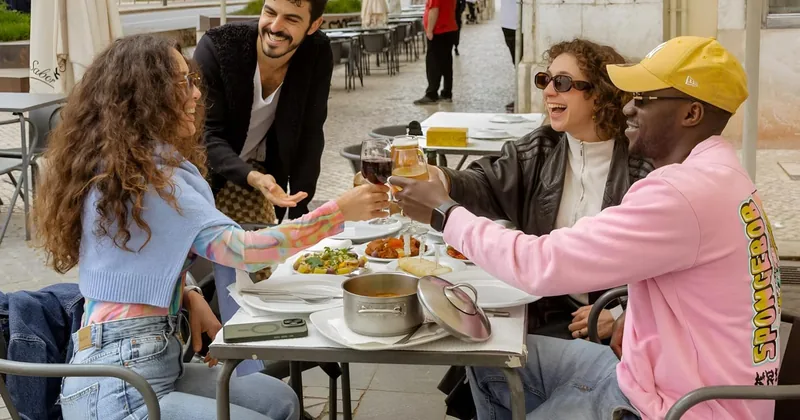
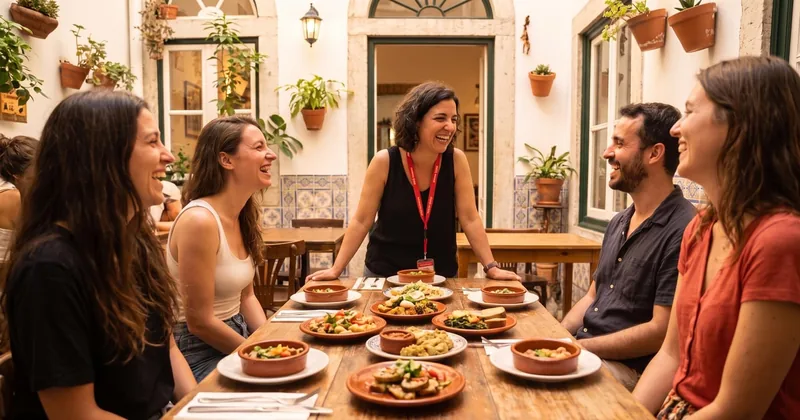
the Baixa. On the left, a morning walk from pastries to a tasca lunch. On the right, a small group and a full meal.
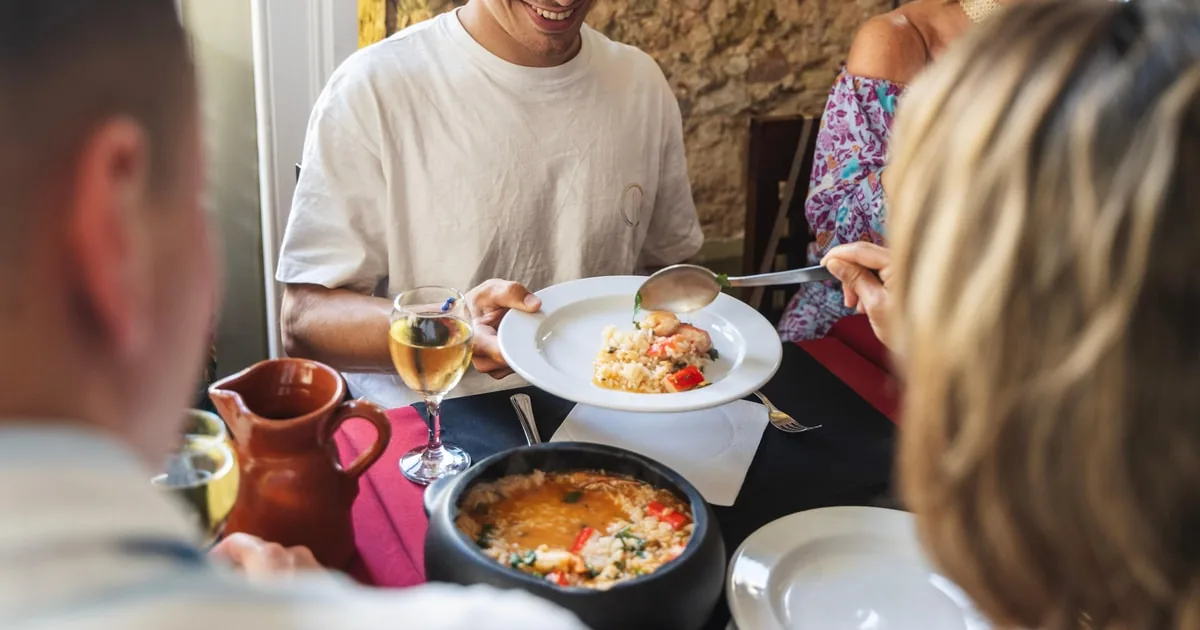
Taverns, family-run restaurants and street-food counters across flat Baixa, from codfish cakes to a bifana and ginjinha. It ends with a classic Portuguese dessert.
What's included
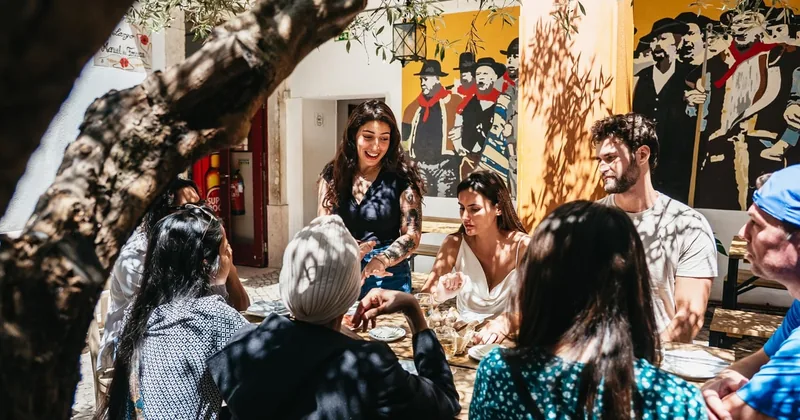
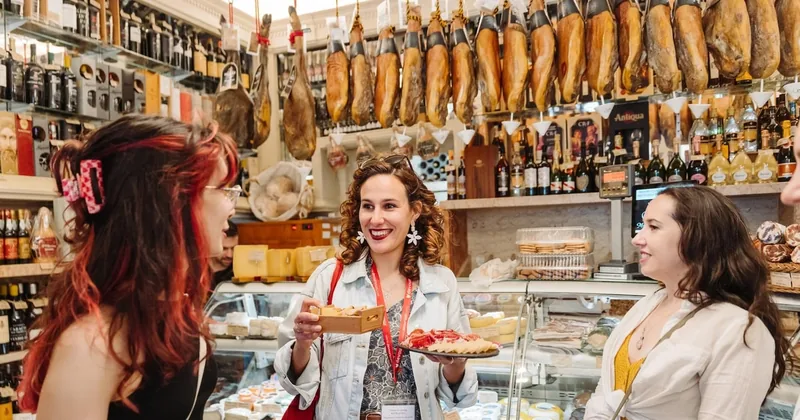
A foodie guide who knows each stop
8 tastings: petiscos, seafood, a bifana and dessert
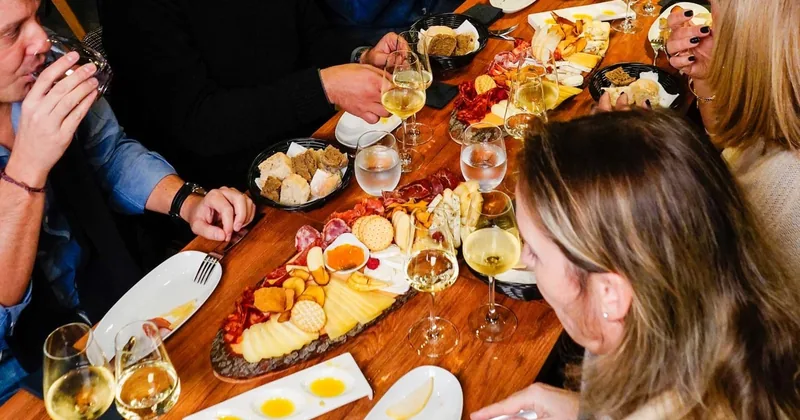
Not a snack crawl but a full meal on foot: codfish cakes, Iberian ham and grilled chouriço, two mains and dessert at six venues. Groups stay at ten or fewer.
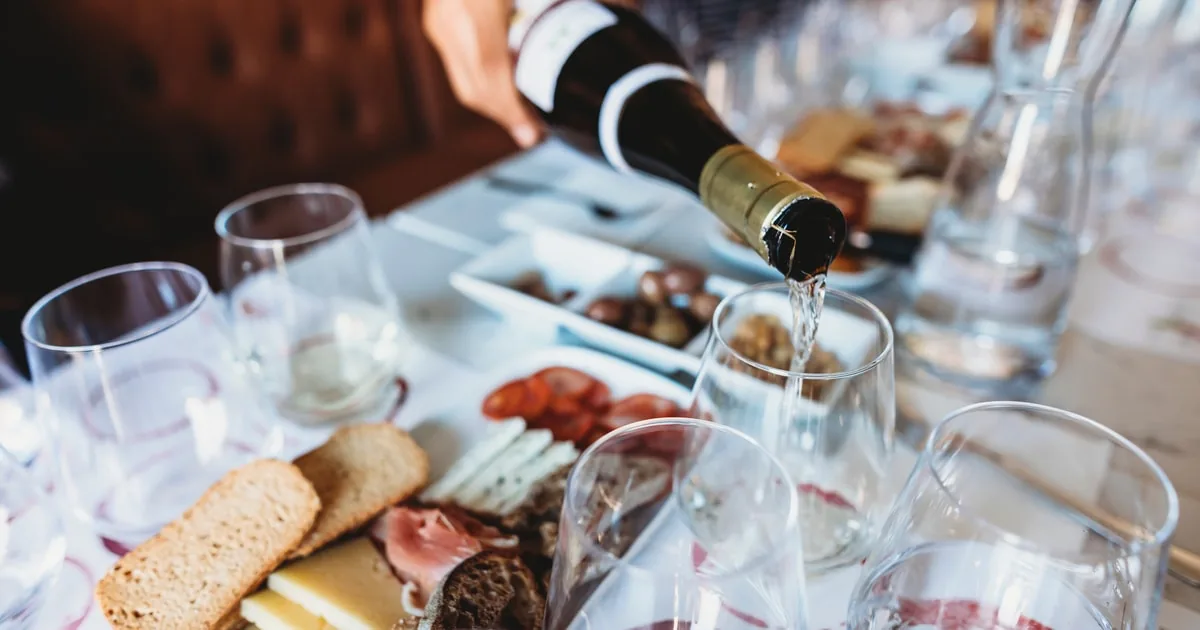
An evening in Bairro Alto, a fado night with petiscos, a short orientation walk, a classic food walk, an easy no-uphill route, a vegan walk and a seated wine tasting
The first row is the honest baseline: a tasca lunch, a ginjinha counter and a bifana bar need no
booking at all. A guided walk adds the stories, the ordering done for you and stops you would walk straight past.
Option
Starts
Best for
Length
Rating
Cancel
On your own, no guide
Rossio and the Baixa
Confident eaters: a tasca lunch, a ginjinha counter and a bifana bar need no booking; you order and choose the stops
The Baixa walk is also sold under two other listing names with the same stops. The fado
evening and the wine tasting are seated, not walks.
What the tour pages don't tell you
No tapas here, only petiscos.
Ask for tapas in a Lisbon tavern and you will get a smile. The word is Spanish; here the small plates are
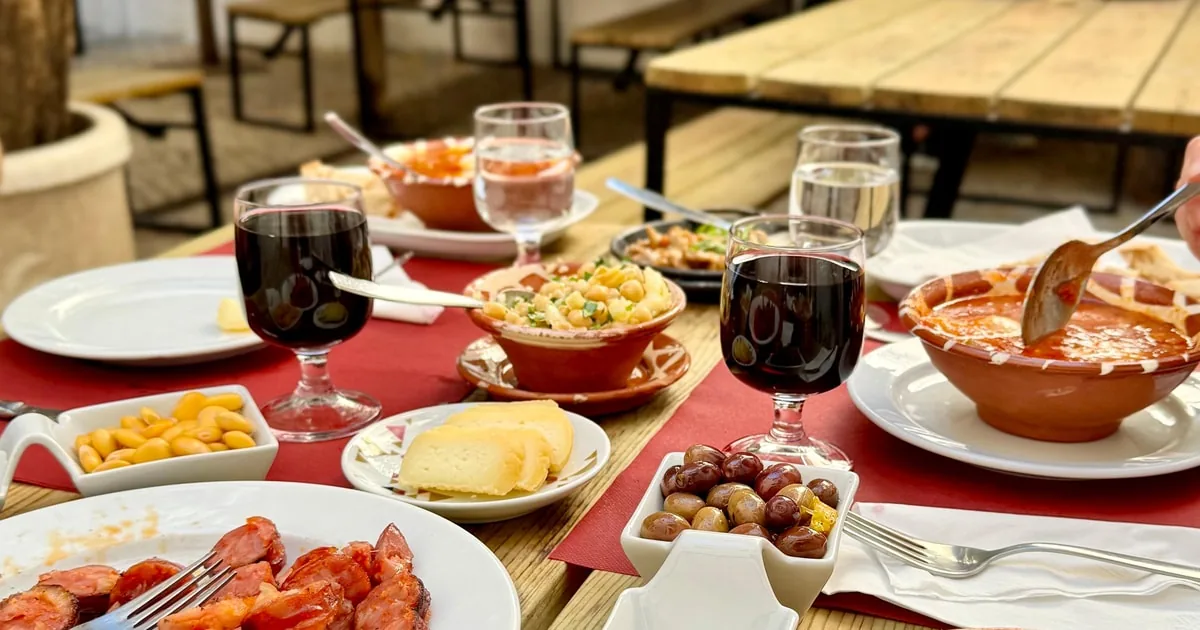
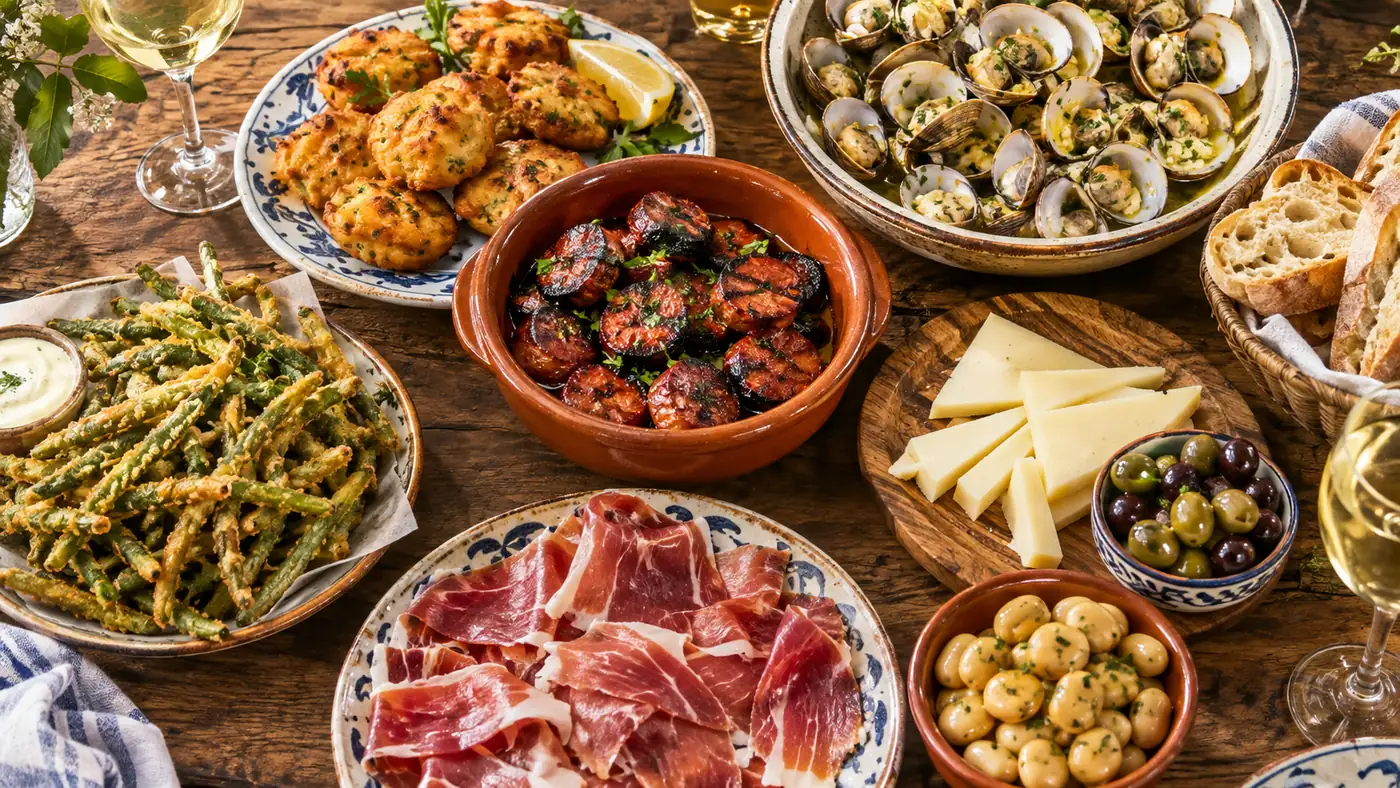
petiscos: codfish cakes, green beans fried in batter, chouriço flamed at the table, clams in garlic and
coriander, a plate of cheese and cured ham. Tour listings say "tapas" because that is what visitors search for.
Three more things to know: most "tapas tours" are tasting walks, about eight small bites and three or
four drinks across a few family-run stops, not a sit-down dinner; the most booked walk is sold under three
different names, so compare the stops, not the titles; and the "tapas and fado" evening is seated, at
long tables in a fado house, not a walk.
1840
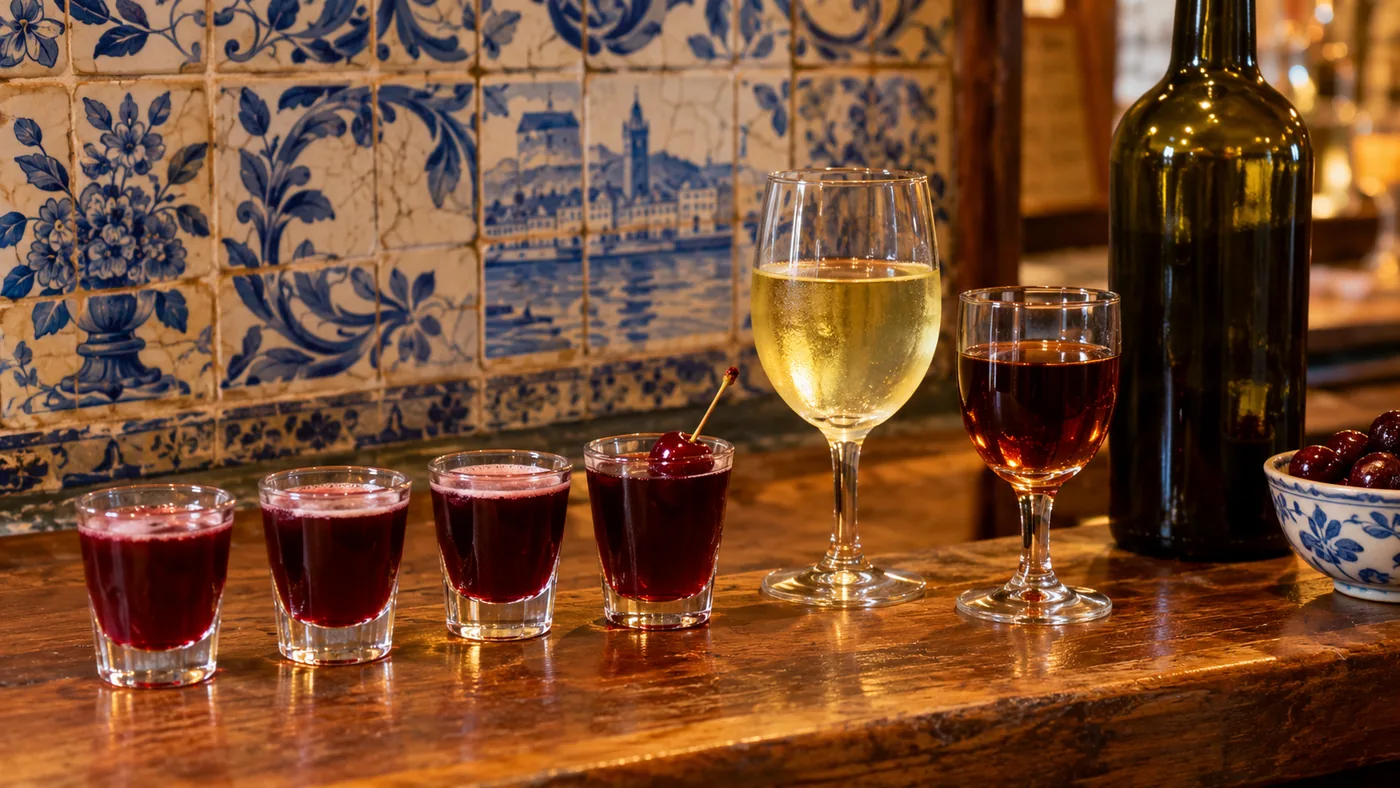
is the year the first ginjinha counter opened on Largo de
São Domingos. Almost every food walk still stops for a thimble of the sour-cherry liqueur.
Petiscos, not tapasTasting walk or full mealBaixa is flatLifts closedCome hungry
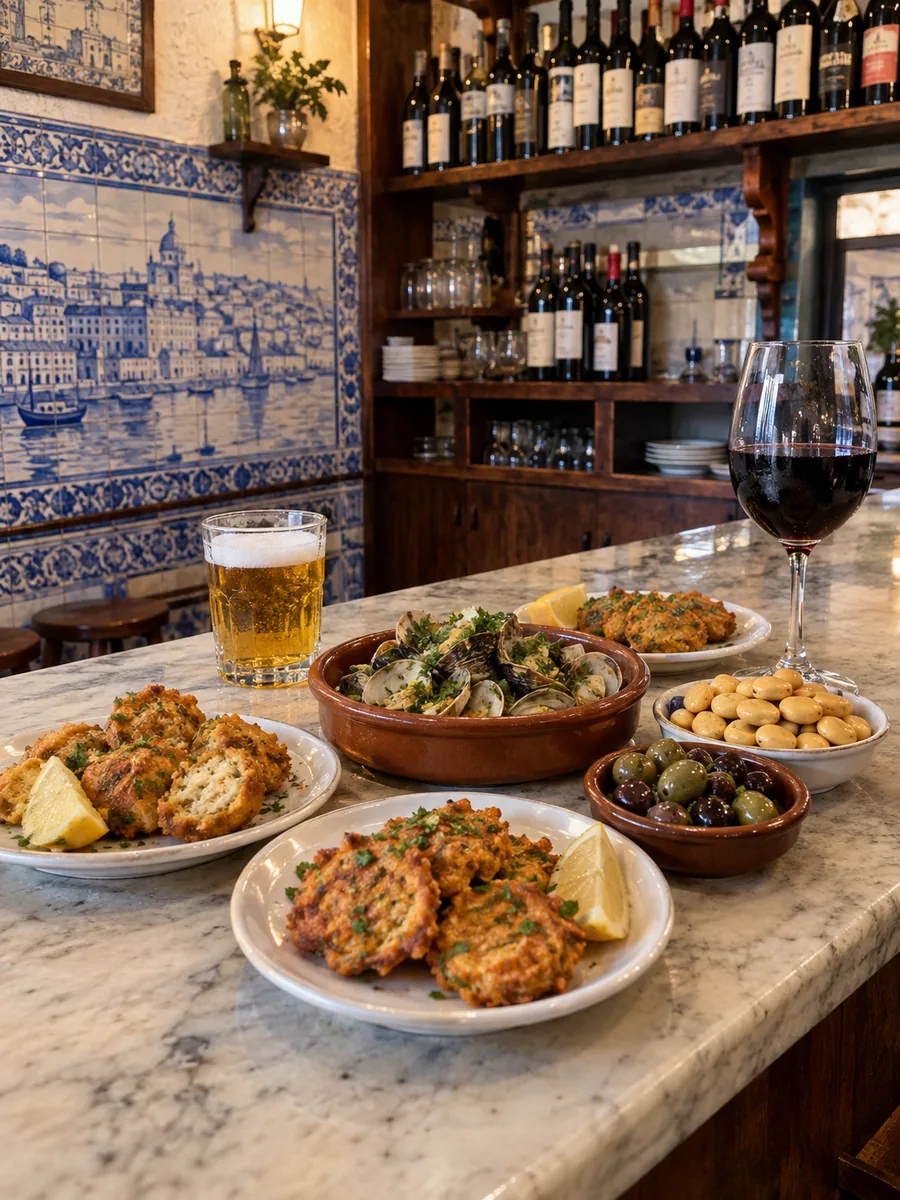
A tavern counter: petiscos, a small beer, a glass of red.
01
How much food?
About eight tastings and three or four drinks: dinner for most.
02
How long?
About three hours, with four to seven stops.
03
Hills?
Baixa is flat; Alfama and Bairro Alto mean steps.
04
Diets?
Vegetarian with notice, a vegan walk, hard for celiacs.
How a food walk works
From the first bite to dessert
Every operator has its own stops, but most Lisbon food walks follow the same rhythm: savoury first,
a drink at the counter, a proper sit-down plate, and something sweet to finish.
01
Meet in the Baixa
Most walks start on Rossio, Praça da Figueira or Praça do Comércio, a short walk from the metro.
A few minutes
02
Counter bites
A codfish cake or a bifana eaten standing, a ginjinha at a counter barely wider than a doorway.
First hour
03
The tasca
A table at a family-run tavern for petiscos to share, with vinho verde or a small draught beer.
The long stop
04
Something sweet
A pastel de nata or another classic dessert, and a list of places to eat for the rest of your stay.
What a walk includes, when Lisbon eats, what to bring and how to reach the start.
Food: about eight tastings on most walks; the full-meal walk serves starters, two mains and dessert.
Drinks: three to five, usually vinho verde, a small beer and ginjinha; soft drinks on request.
A guide: who orders for you, explains each dish and shares places for the rest of your stay.
Not included: tips for the guide, transport to the start and any extra drinks you order.
Refunds: every walk here refunds in full if you cancel up to 24 hours ahead.
Lunch: locals sit down from about 13:00; kitchens open from about 12:30.
Dinner: from about 20:00, so a 19:00 walk is an early dinner by Lisbon standards.
Morning walks: start with pastries and coffee and end with lunch.
Sundays: many neighbourhood taverns close; tours plan their stops around it.
June: Santo António fills Alfama and Mouraria with grilled sardines, loudest on 12 June.
An empty stomach: skip the big lunch before an evening walk.
Shoes with grip: the polished limestone pavement gets slippery after rain.
Water and a hat: summer afternoons are hot between the stops.
Your diet in writing: tell the operator about allergies when you book, not on the day.
Your ticket on the phone: GetYourGuide tickets are mobile.
Rossio and Praça da Figueira: metro Rossio (green line) or Restauradores (blue line).
Praça do Comércio: metro Terreiro do Paço (blue line) or the riverside trams.
Chiado and Largo de Camões: metro Baixa-Chiado (blue and green lines).
Príncipe Real: a climb on foot from Bairro Alto, or a bus or taxi.
Lifts: the historic funiculars and the Santa Justa Lift are closed, so plan to walk up.
1755The earthquakeThe Baixa is rebuilt as a flat, straight grid.
1829Confeitaria NacionalOne of Lisbon's oldest pastry shops opens.
1837Pastéis de BelémThe custard tarts of the Jerónimos recipe go on sale.
1840A GinjinhaThe first ginjinha counter opens by Rossio.
2011Fado on UNESCO's listLisbon's song joins the intangible heritage list.
2014Time Out MarketThe food hall opens in the Ribeira market.
Where walks start
Rossio and Praça da Figueira
The Baixa, between Rossio and the river
Praça da Figueira, 1100-241 Lisboa
Most Lisbon food walks meet in the Baixa, the flat downtown grid between Rossio, Praça da Figueira and
Praça do Comércio. The morning walk starts on Praça da Figueira, the short orientation walk under the column on
Rossio, the Baixa walk near the river. Evening walks in Bairro Alto meet higher up, on Praça do Príncipe Real, and
the vegan walk on Largo de Camões in Chiado. Your exact meeting point is in the booking confirmation.
Metro Rossio (green line) and Restauradores (blue line)
4.9★★★★★ 2,193 reviews · Baixa food walk with petiscos and drinks GetYourGuide figure
★★★★★
Sofia was very knowledgeable about the local area and a great tour guide. We visited 4 places to eat; we got to enjoy grilled sardines, chorizo, cod fish cakes and so many other Portuguese dishes.
★★★★★
Our guide Helena was knowledgeable, warm, funny and clearly has a deep passion for food and its history in Portugal. She explained everything in detail and gave us great tips and advice.
★★★★★
Unlike many of the others, this tour company doesn't take large groups, we only had 5 which was great. Easy to get around, easy to get seats in the small food establishments, easy to hear.
★★★★★
As a single girl in Lisbon this was a great way to explore, have dinner and meet new friends. Paula was so knowledgeable and fun. Would absolutely recommend this tour.
★★★★★
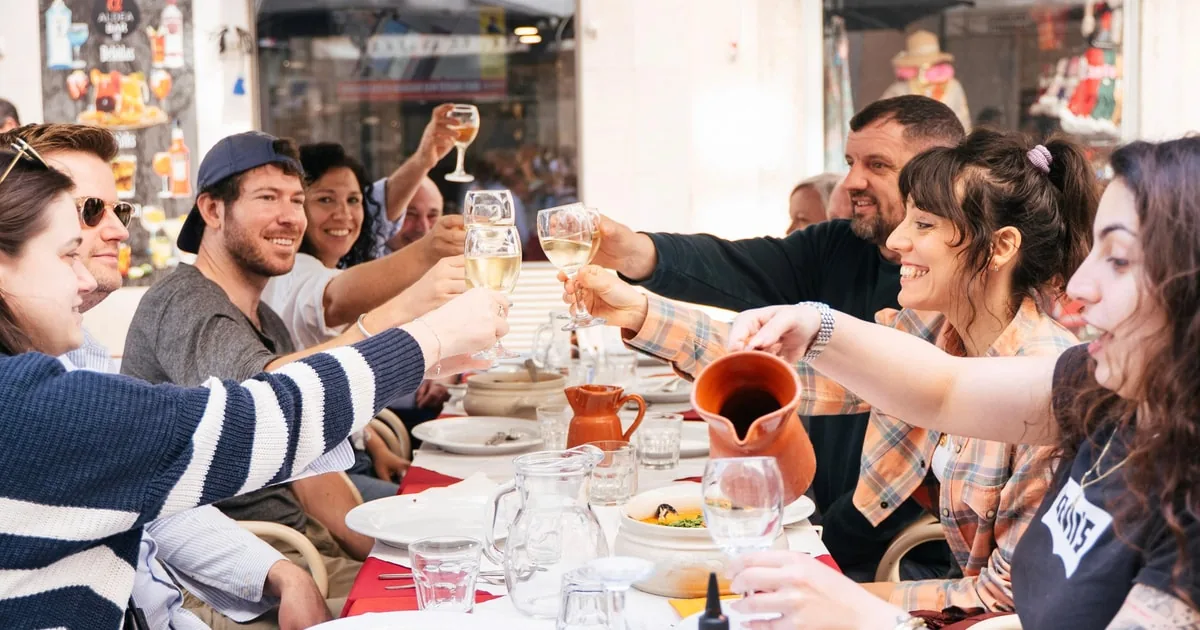
At the start of the tour our guide, Helena, said that her aim was to make it feel like a dinner with friends. She achieved this. The food was amazing, the drinks were fabulous and the conversation even better.
★★★★★
Borja was an excellent tour guide, telling us history and going to various places to try pastries, savory sandwiches, espresso, desserts, and lunch with various dishes and drinks. Come with an empty stomach.
★★★★★
We were very impressed with the food and organisation. Tables were laid out with cold tapas and wine when we arrived, then hot dishes came out before and during the music when breaks were taken.
★★★★★
An amazing vegan walking tour and one of the highlights of our time in Lisbon. Great mix of culture, history, local insight, and delicious food.
★★★★★
We thoroughly enjoyed the experience with Sergio as he explained the history of Lisbon and shared his favorite foods and drink with us. The walk was flat and very easy to negotiate.
After the walk
Bake your own pastel de nata
Almost every food walk ends with a custard tart, and many walkers want to know how they are made.
This two-hour class is one of the most reviewed food experiences in Lisbon on GetYourGuide.
Pastel de Nata Baking Class
★ 4.9 · 3,209 reviews · GetYourGuide
Every food walk ends with a pastel de nata; this class shows you how they are made. A chef guides you from the dough to the custard, you eat your own batch warm, with coffee, port and ginjinha to taste. Full refund if you cancel up to 24 hours ahead.
Lisbon does not do grand tasting menus as its everyday food. It does small plates at a marble
counter, a sandwich eaten standing, a thimble of cherry liqueur on a square and a custard tart still warm from the
oven. A food walk strings these together, and three hours later you know how the city eats.
Petiscos, the Lisbon way to share
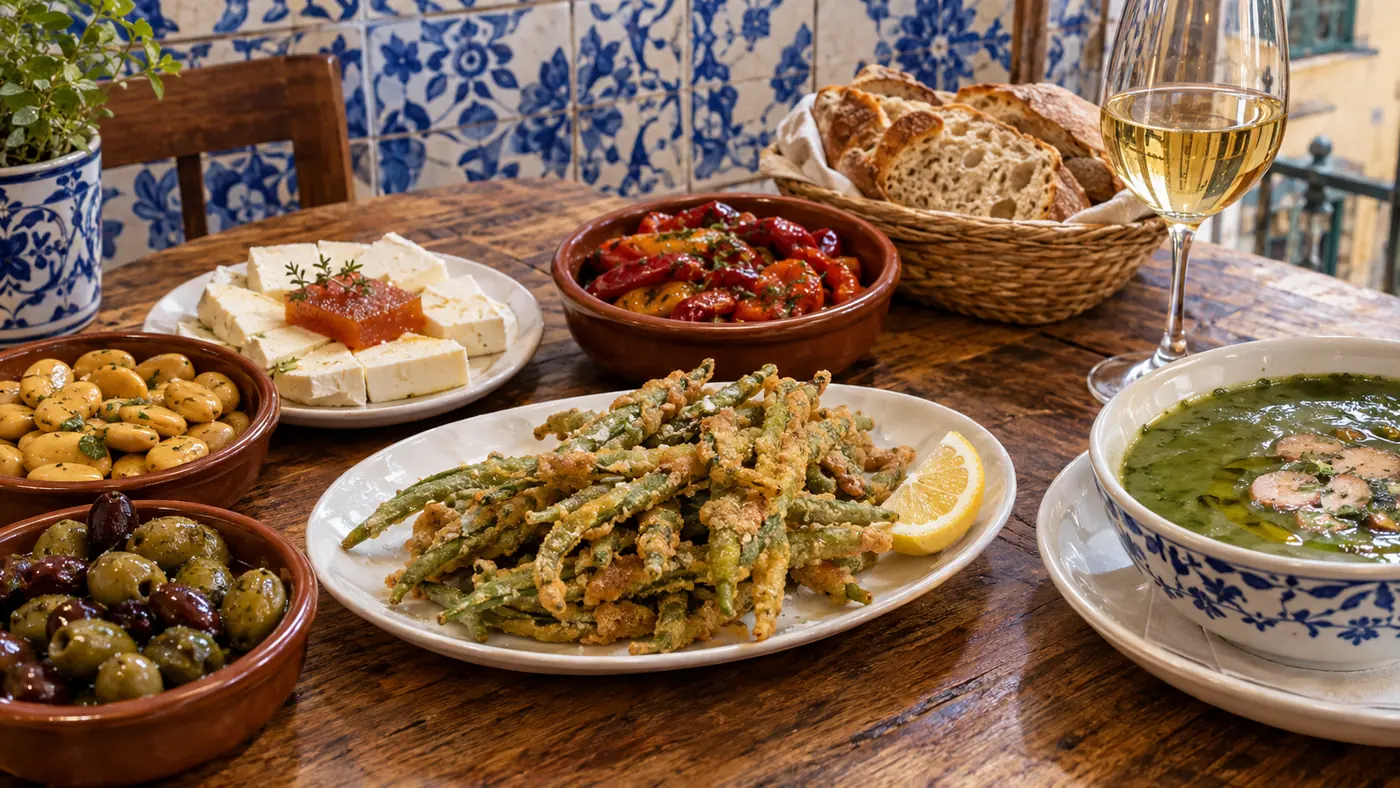
The petisco comes from the tasca, the simple neighbourhood tavern with paper tablecloths and a short menu on a
board. Plates are small and meant for the middle of the table: pastéis de bacalhau, the codfish cakes found in
every café; pataniscas, salt-cod fritters; peixinhos da horta, green beans fried in batter, whose name means
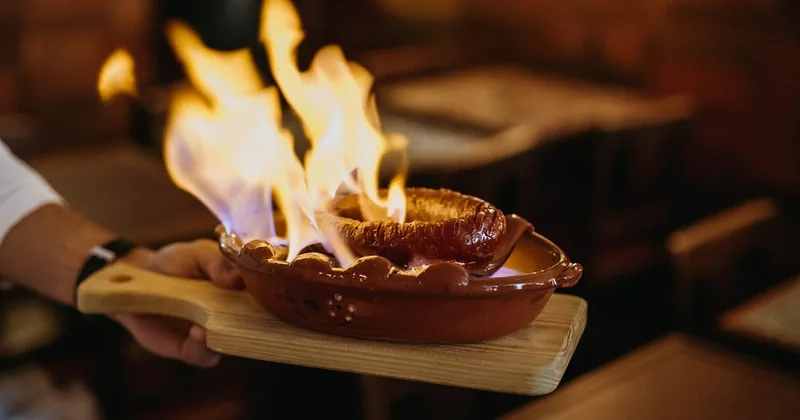
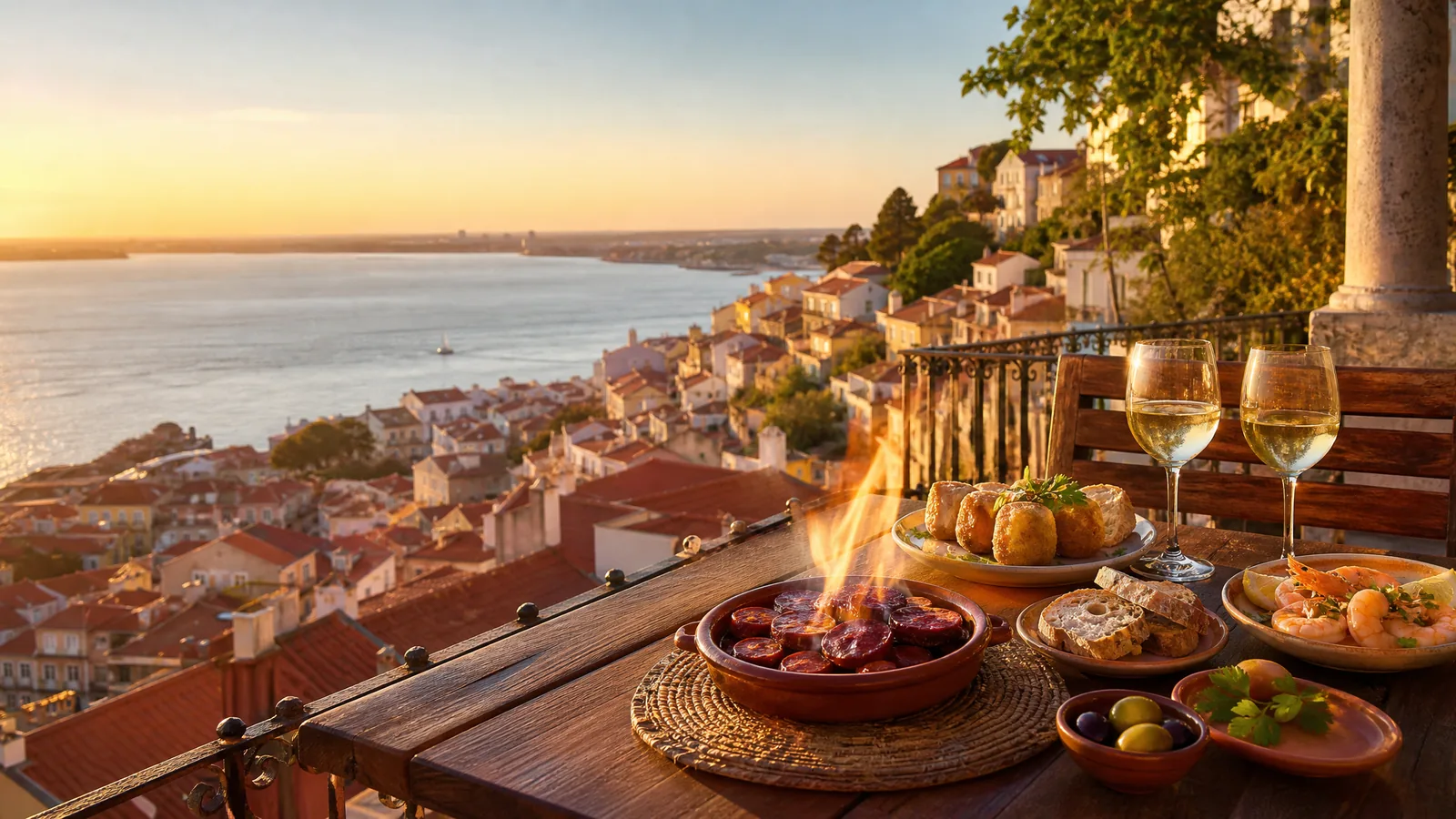
"little fish from the garden"; chouriço assado, flamed at the table on a clay dish; and amêijoas à Bulhão Pato,
clams in olive oil, garlic and coriander, named after a 19th-century poet. In early summer, signs reading "Há
caracóis" announce the season of small snails.
Petiscos are made for the middle of the table.
The sandwich, the liqueur and the tart
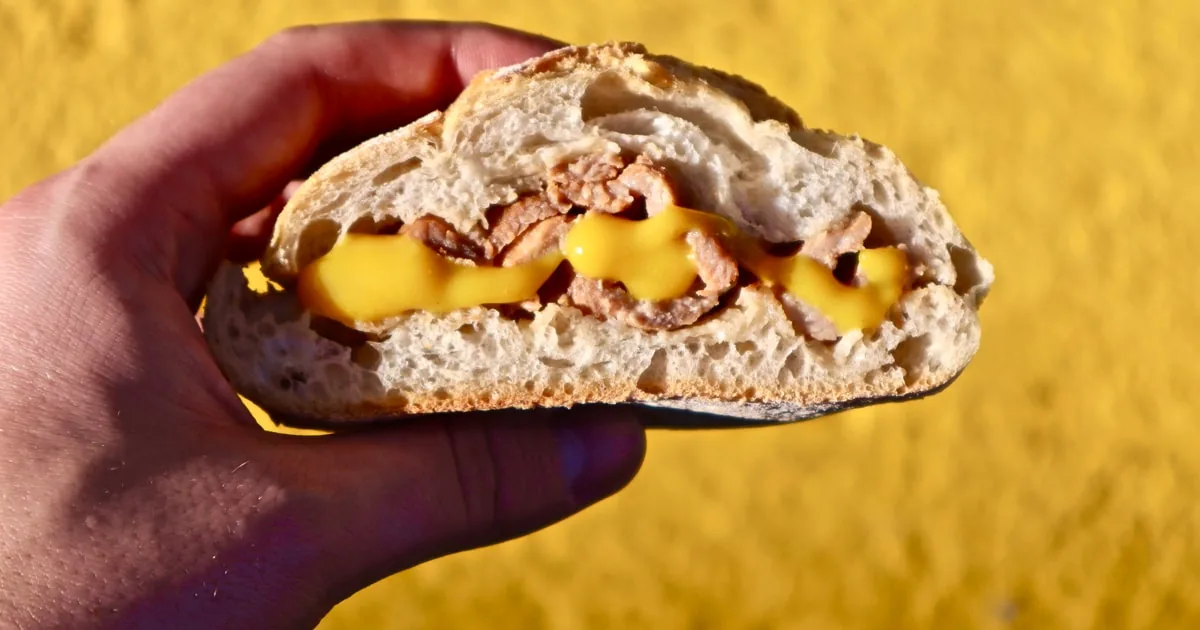
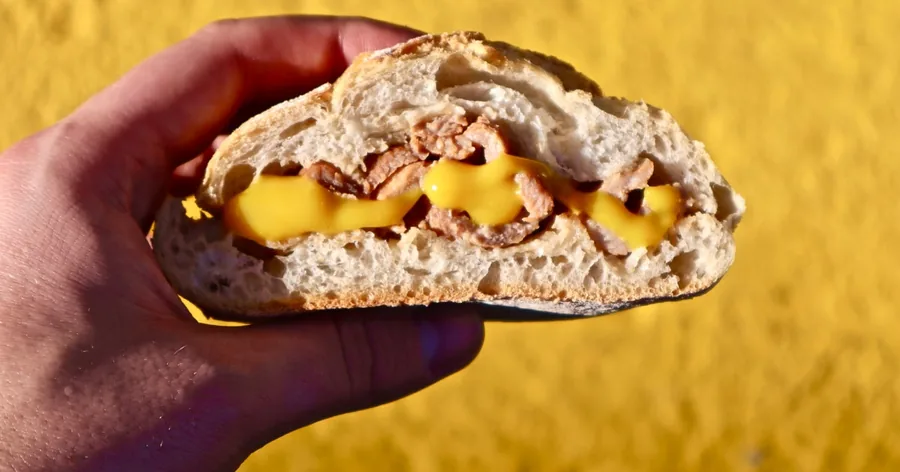
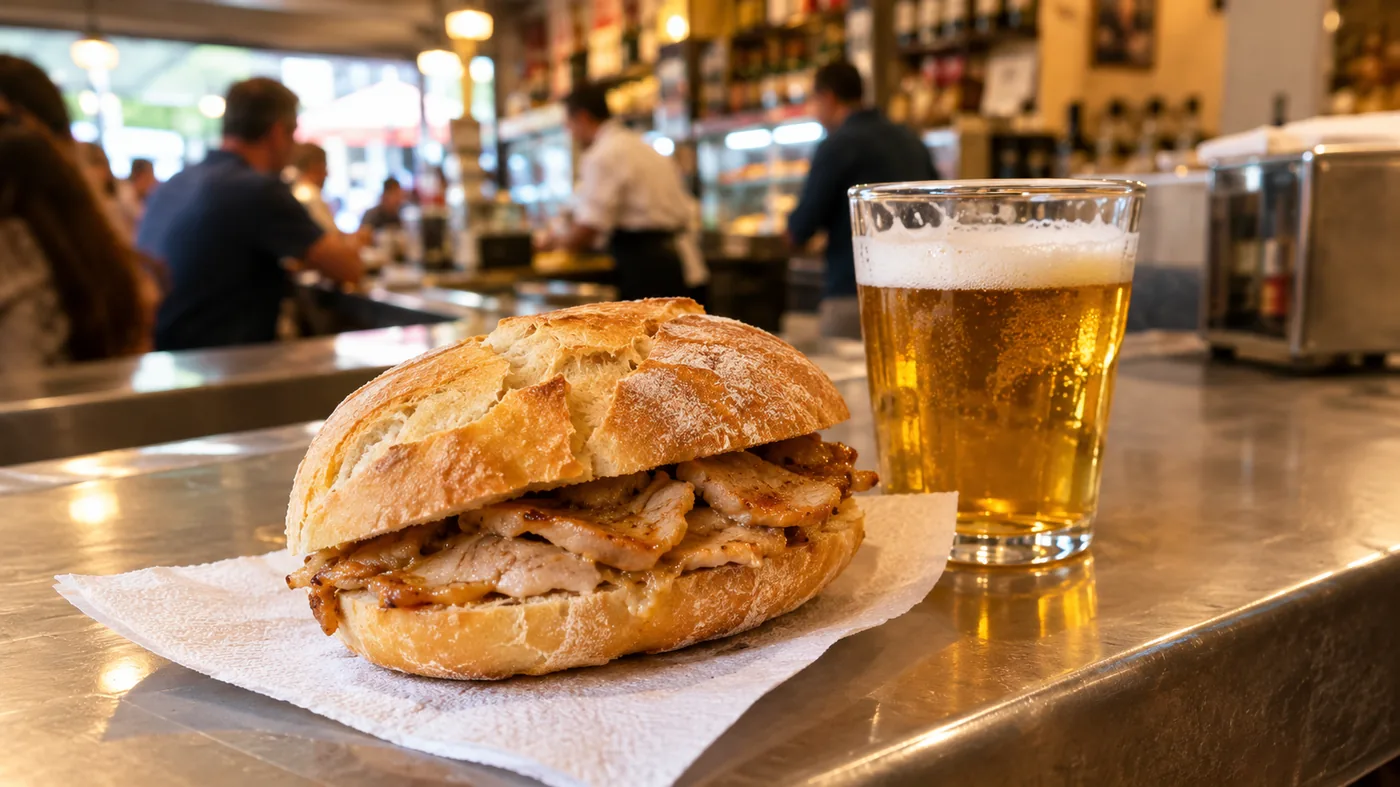
Three tastes turn up on almost every walk. The bifana is thin pork marinated in garlic and white wine, cooked in
its juices and served in a crusty roll with a line of mustard; you eat it at the counter with an imperial, a small
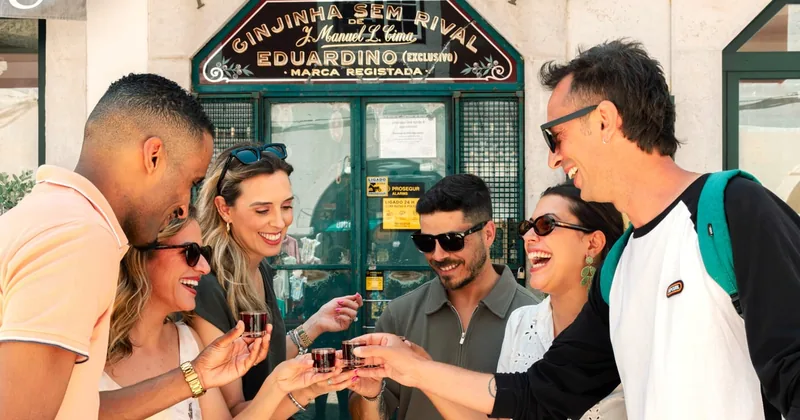
draught beer. Ginjinha is a sour-cherry liqueur, poured on Largo de São Domingos since 1840 by A Ginjinha, a
counter so small the drinkers stand on the square. And the pastel de nata, the custard tart, began at the
Jerónimos Monastery in Belém; since 1837 one bakery there has sold them as Pastéis de Belém, a name it holds as a
trademark, while everywhere else they are pastéis de nata.
The bifana: garlicky pork in a crusty roll.
The honest small print: most "tapas tours" are tasting walks, not a sit-down dinner, unless the
listing says full meal. The most booked walk is sold under three names with the same stops. The fado evening is
seated, and the historic lifts up to Chiado and Bairro Alto are closed, so walks there climb on foot.
Where the walks go
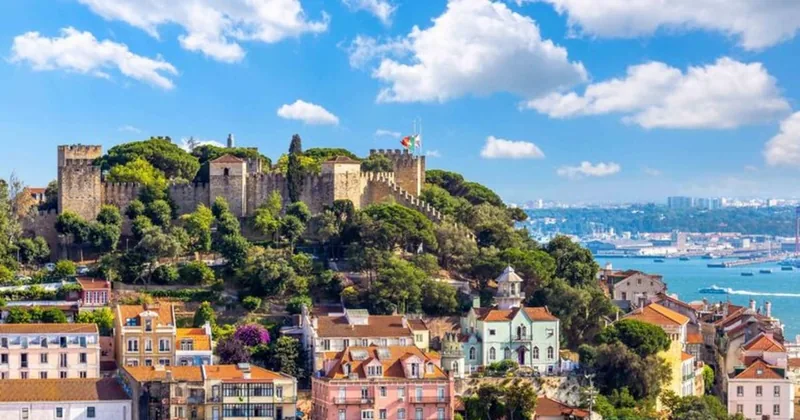
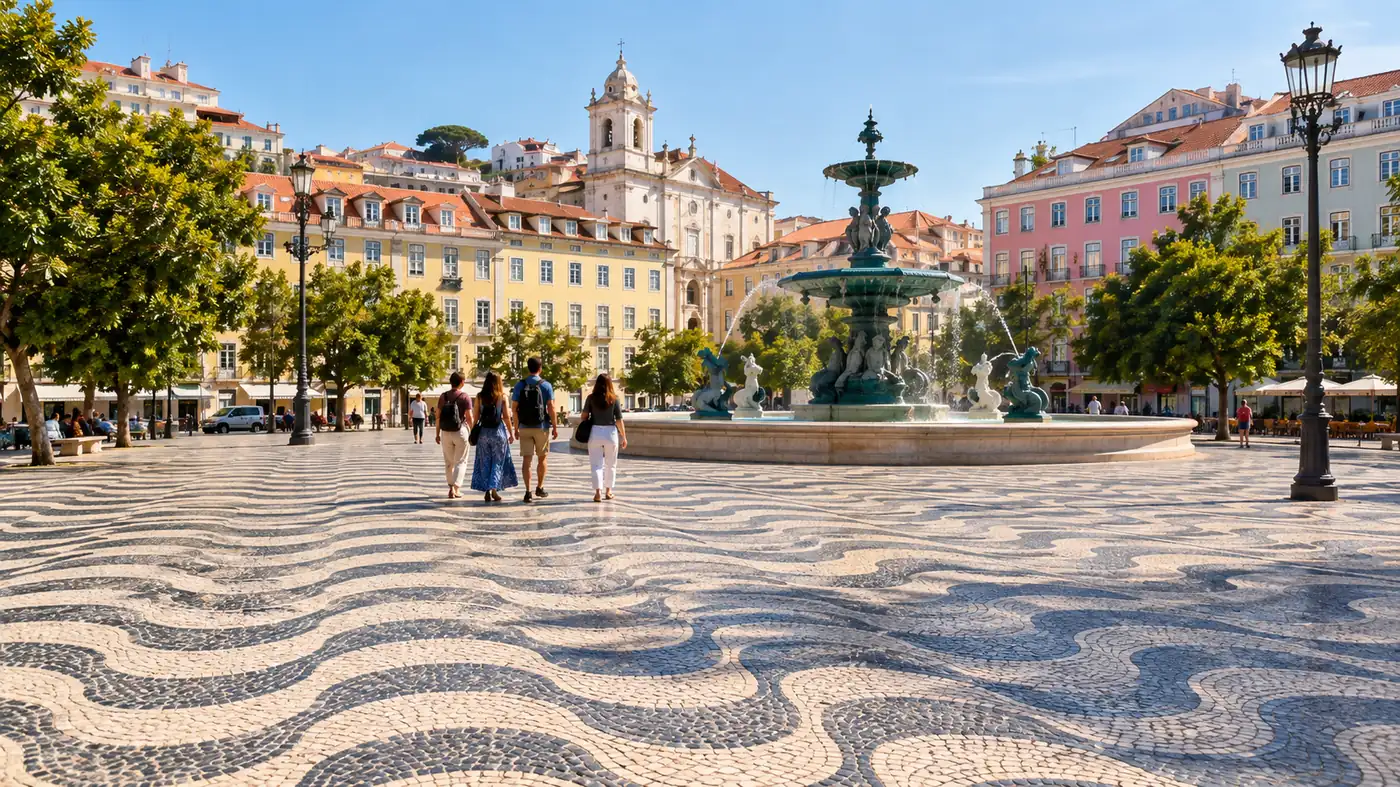
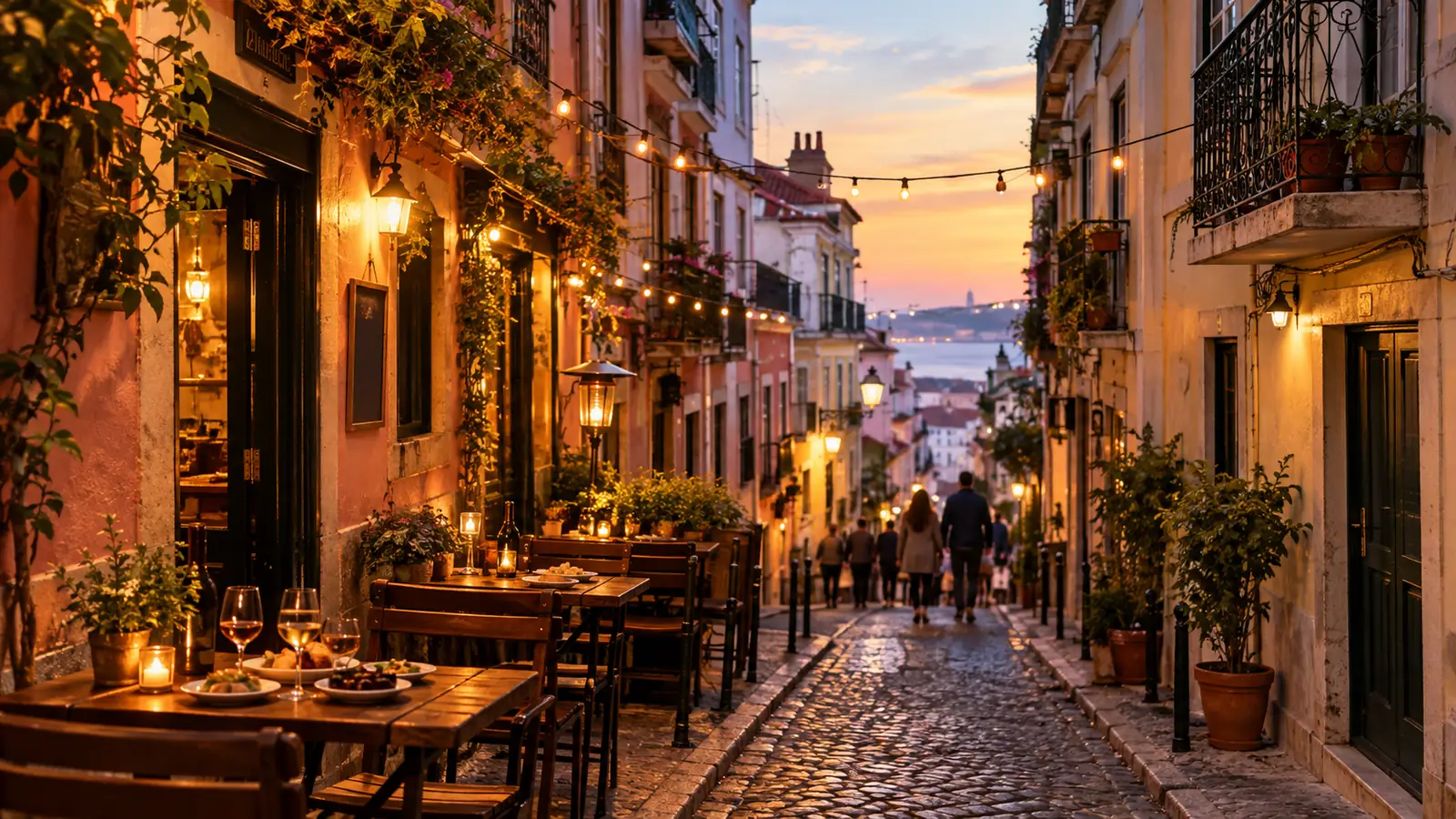
Most food walks stay in the Baixa, the flat grid rebuilt after the 1755 earthquake between Rossio and Praça do
Comércio. It is easy on the legs and full of old shops, from Confeitaria Nacional, open since 1829 on Praça da
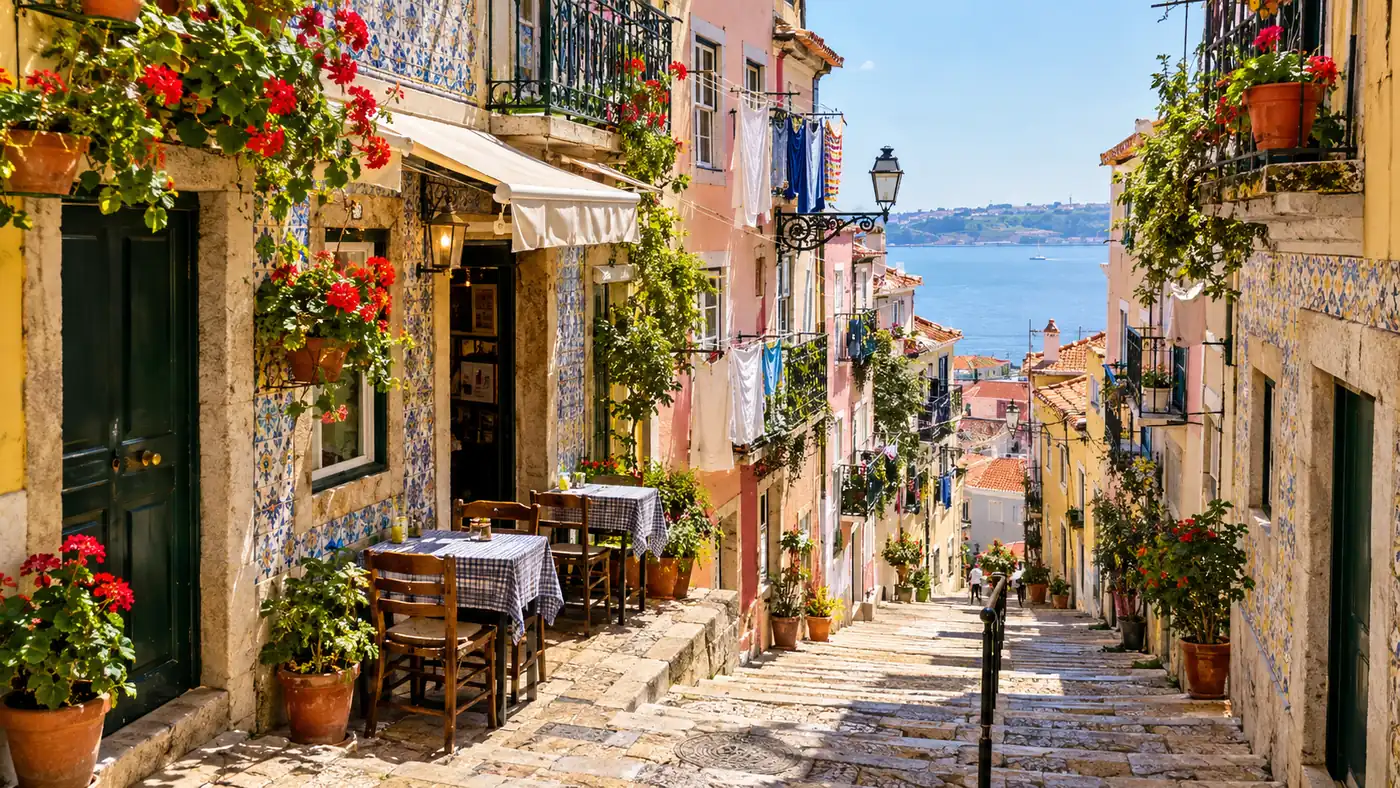
Figueira, to grocers that still sell salt cod by the slab. Evening walks climb to Bairro Alto and Príncipe Real,
where the taverns wake up late, and a few head into Alfama and Mouraria, the old quarters of steps and alleys where
fado still lives.
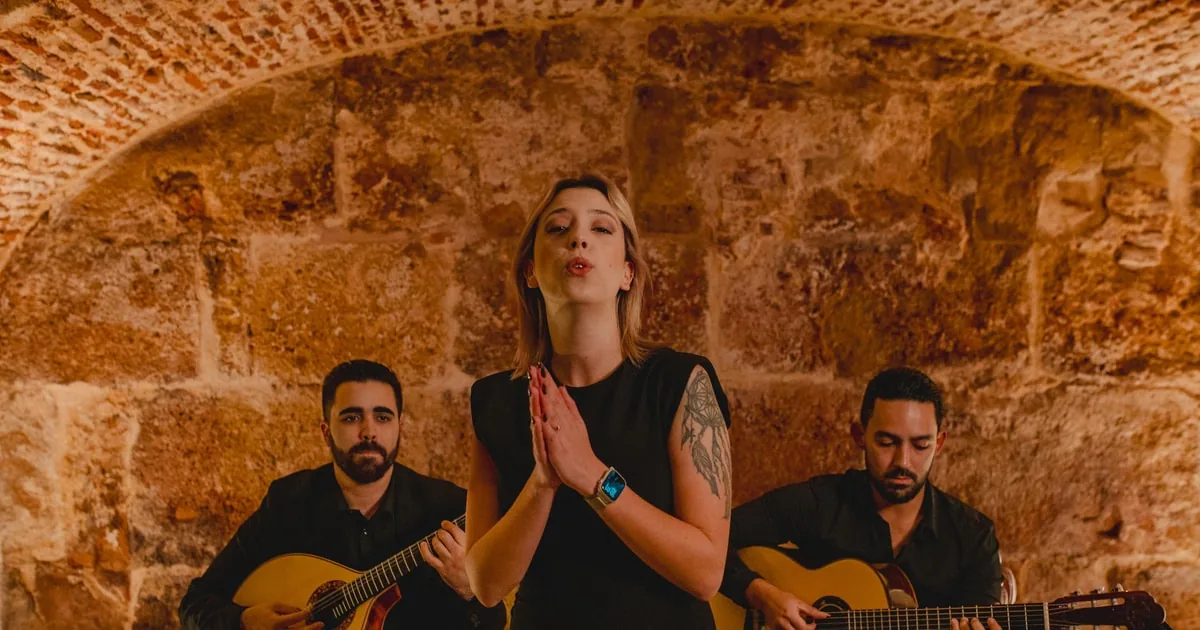
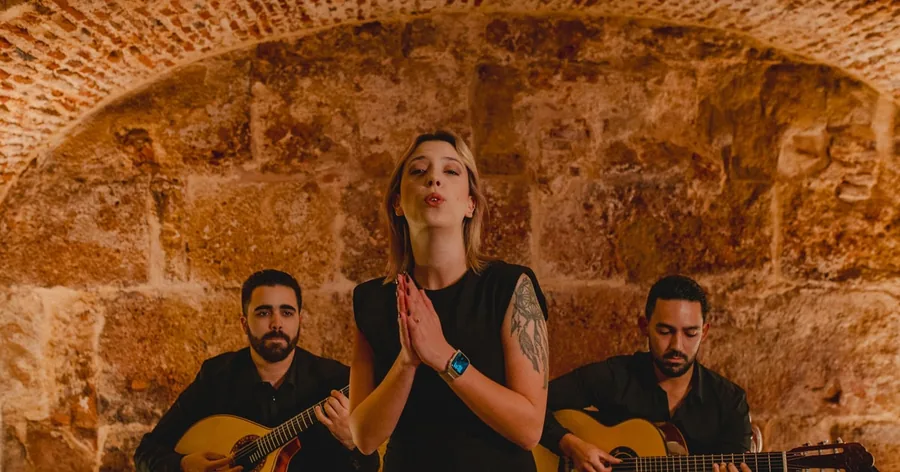
Fado in a small house: quiet while they sing.
Fado with your petiscos
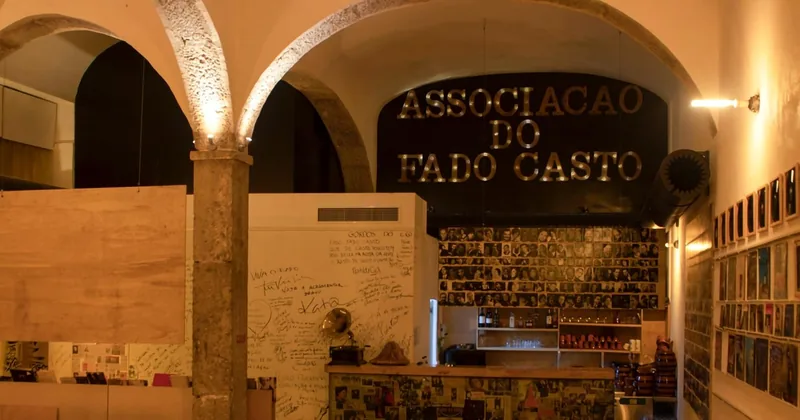
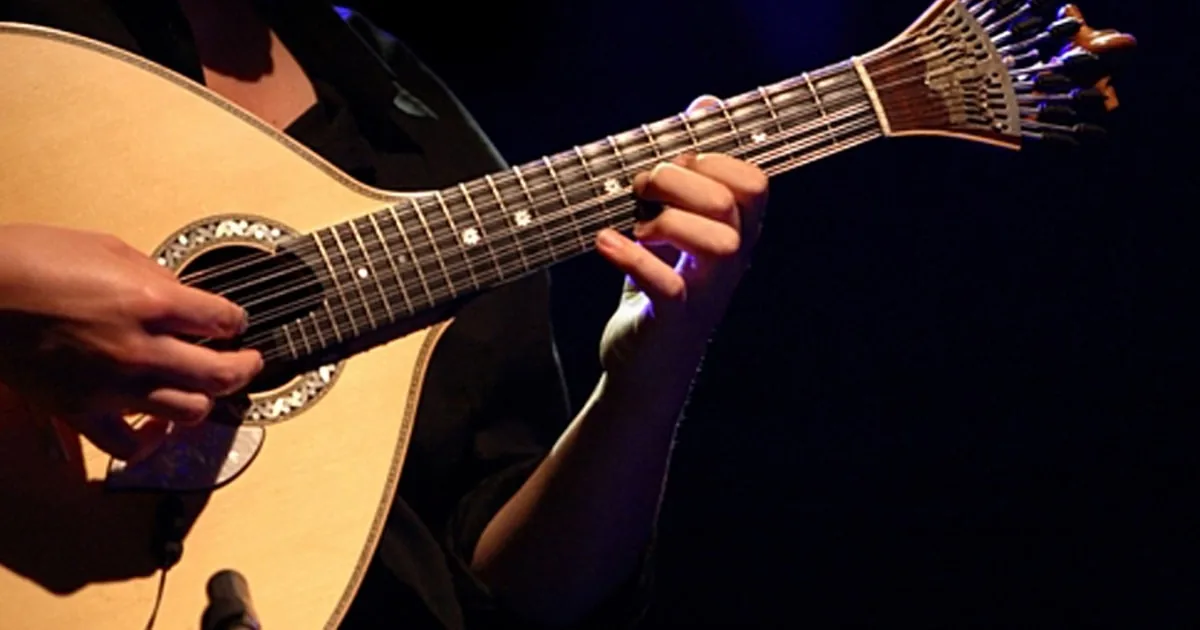
Fado, the city's song of longing, has been on UNESCO's intangible heritage list since 2011. In a small fado
house the petiscos come out between sets and the room goes silent when the singer starts. If you want the music
and the food in one evening, book a fado night as well as, not instead of, a walk.
What to know in one line
Come hungry, choose the Baixa if hills matter, read "tastings" against "full meal", tell the operator about your
diet when you book, and keep your guide's list of taverns for the rest of the week.
Straight answers to what visitors ask most about Lisbon food walks and petiscos.
Is there tapas in Lisbon?
Not by that name. Lisbon eats petiscos: small plates for sharing, from codfish cakes to clams in garlic and coriander. "Tapas" is the Spanish word, and tour listings use it because that is what visitors search for. More in petiscos or tapas.
Is a Lisbon food tour worth it?
For a first visit, yes. In three hours you taste the classics, learn how to order them and leave with a list of places for the rest of your stay. Book one early in your trip. The options are side by side in Lisbon food tours compared.
Is a food tour enough for dinner?
Usually, yes. Most walks serve around eight tastings and three or four drinks, and guests often say they left full. If you want a proper sit-down meal, choose a walk that lists main dishes, such as the small-group walk with a full meal.
How long is a Lisbon food walk?
Most take about 3 hours, with 4 to 7 stops. Shorter sightseeing walks with a pastel de nata and ginjinha take about 2 hours; the longest tasting walks take about 4.
Which food walk has no hills?
Walks in the Baixa. It is the flat grid rebuilt after the 1755 earthquake, between Rossio and Praça do Comércio. Walks in Alfama, Mouraria, Chiado and Bairro Alto mean hills, steps and cobbles. Routes in Baixa or Alfama.
Are Lisbon's historic lifts open?
No. The Glória, Bica and Lavra funiculars and the Santa Justa Lift have been closed since September 2025, after the Glória accident. Walks into Chiado and Bairro Alto now go up on foot, so check the route if hills matter.
Can vegetarians do a food tour in Lisbon?
Yes, with notice. Several walks swap in vegetarian tastings, though there are usually fewer of them; tell the operator when you book. Vegans have a dedicated vegan walk, and celiacs should know that bread, fritters and pastry come up at most stops. Details in vegetarian and vegan food walks.
Can children join a food walk?
On most walks, yes, with soft drinks instead of wine and beer: the legal age for any alcohol in Portugal is 18. Three hours on foot is long for small children, so a shorter walk or the baking class suits them better.
Do I need to tip the guide?
Tipping is not compulsory in Portugal and it is not included in the ticket. If your guide made the evening, a tip at the end is a warm thank-you.
What time do people eat in Lisbon?
Late, by northern European standards: lunch from about 13:00 and dinner from about 20:00. A 19:00 food walk is an early dinner for locals. More timing tips in where and when to eat.
Do restaurants charge for bread and olives?
The bread, olives and butter that arrive before you order are the couvert. They go on the bill only if you eat them, so hand them back if you would rather not. On a food walk everything at the stops is already included.
Where can you try ginjinha?
At the tiny counters around Largo de São Domingos, by Rossio, where A Ginjinha has poured the sour-cherry liqueur since 1840. They will ask "com ou sem elas?": with or without the cherries. More in the ginjinha and Lisbon drinks guide.
Ready to eat
One city, many small plates.
Or wander on your own with this guide: instant mobile tickets on GetYourGuide, with the refund terms on every option.

 Morning walk
★ 4.93 hours1,013 reviews
Morning walk
★ 4.93 hours1,013 reviews